Over the years, I’ve learned that one of the most underrated camping skills isn’t how to pitch a tent or build a fire — it’s knowing how to clean a tent like a pro. I didn’t always take it seriously. In fact, during my early adventures, I used to toss my muddy, rain-soaked tent into a storage bin and forget about it until the next trip. But that carelessness caught up with me quickly. Zippers started sticking, the fabric began smelling like wet socks, and I even found mold one spring after months of improper storage.
Eventually, I realized that keeping a tent clean is just as important as knowing how to use it. In this guide, I’m going to take you through everything I do to make sure my tent stays in tip-top shape — from the moment I return home to the final fold before it’s packed away.
Why Tent Maintenance Matters More Than Most Campers Realize
If you’re like I used to be, you probably assume that tents are designed to take a beating — and they are, to a point. But even the toughest models can’t withstand repeated abuse without basic care. Dirt, sweat, sunscreen, bug spray, tree sap, and moisture are all silent destroyers. They might not cause immediate damage, but they gradually wear away the waterproof coatings and compromise the integrity of the fabric.
Knowing how to clean a tent like a pro has helped me protect my gear investment and avoid costly replacements. Plus, a clean tent just feels better when you’re crawling inside after a long hike — no musty smells, no sticky floors, no surprise insects.
Step One: The Post-Trip Inspection and Initial Shake Down
Open It Up and Inspect Every Corner
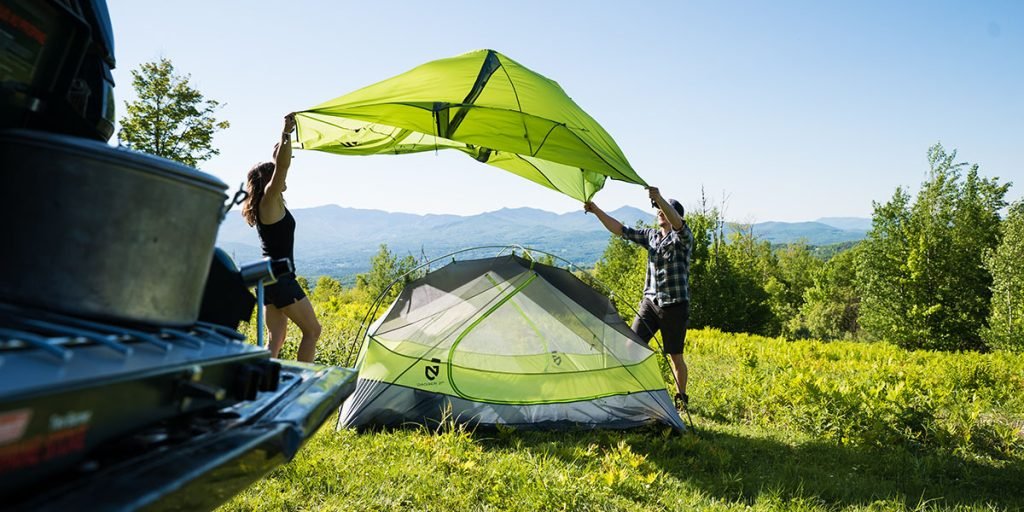
As soon as I’m back from a trip, I unpack my tent and set it up outdoors if the weather allows — preferably in a shaded, dry area like my backyard or garage. This gives me a full view of any wear and tear, lingering moisture, or areas that need special attention.
Give It a Good Shake and Dusting
Before cleaning anything with water, I make sure to get rid of the easy stuff. I shake the tent vigorously to loosen up leaves, sand, dried mud flakes, or any other debris that might have clung to it. I’ve found that turning the tent inside out and giving it a couple of flips does wonders. If I’m dealing with finer dirt or stubborn particles, I use a soft brush or handheld vacuum on the interior floor.
Step Two: Spot Clean Before You Soak
I rarely jump straight into washing the entire tent unless it’s really filthy. Usually, a few key spots need extra care — maybe where some spilled coffee stained the corner, or where bird droppings found their way onto the rainfly.
I mix a small amount of mild soap with lukewarm water and use a soft sponge to gently scrub those trouble spots. For soap, I avoid anything harsh or heavily scented — just a basic non-detergent soap that’s gentle on synthetic fabrics. After cleaning each spot, I rinse the area with clean water and let it dry out naturally.
Step Three: A Full Tent Bath When Necessary
Preparing the Cleaning Station
When my tent has really been through it — like a soggy weekend in the mountains or a windy desert trip — I give it a full-on wash. I fill a large plastic tub or bathtub with lukewarm water. Hot water is a no-go since it can break down seam sealants and coatings.
To the water, I add a specialized tent cleaner or a teaspoon of gentle, unscented soap. This solution helps lift grime without stripping away any protective layers.
The Washing Process
I immerse the tent and rainfly in the soapy water and let them soak for about 20 to 30 minutes. Then, using my hands, I agitate the fabric gently. I take care not to scrub or twist the tent, especially around mesh areas and seams. After soaking, I drain the tub and refill it with clean water to rinse thoroughly. Sometimes, I’ll repeat this a few times until the rinse water is totally clear.
Let me be absolutely clear here: I never, ever use a washing machine. No matter how delicate the setting, machines are too rough and can easily tear mesh panels or damage waterproofing.
Step Four: Drying the Tent Properly
Once the tent is clean, drying becomes my next focus. I spread the tent and fly over a clean clothesline, patio chairs, or even a large table — anything that allows airflow underneath and above. Drying should always be done in the shade to prevent UV damage. I flip the tent a few times to make sure no part stays damp for too long.
If I’m short on time, I’ll use a clean towel to gently blot areas, but I never use a hair dryer or clothes dryer — the heat can ruin synthetic materials. I also check zippers and seams while drying, just to make sure everything is in working order.
Handling Persistent Odors and Mold Issues
Sometimes, despite your best efforts, tents can develop a bad smell — especially if you packed it away even slightly damp. When that happens, I mix a solution of white vinegar and water (1:5 ratio) and lightly mist the interior before a deep wash. If mildew is present, I may use a specialty cleaner like Revivex Odor Eliminator or a similar enzyme-based product designed for outdoor gear.
Another trick I use for lingering odors is the baking soda method. I sprinkle a bit inside the tent, zip it up, and let it sit for a few hours. Then I vacuum it out. It helps absorb residual smells and keeps things fresh.
Step Five: Storing Your Tent Like a Gearhead
Knowing how to clean a tent like a pro isn’t just about washing and drying — it’s also about storing it properly. Once my tent is completely dry, I resist the temptation to stuff it into its original compression sack. Instead, I fold it loosely and store it in a large, breathable cotton bag or pillowcase. This helps prevent creases that can damage the fabric and also allows airflow to keep mold and mildew at bay.
I store the bag in a cool, dry place — ideally a closet or under a bed. I make sure it’s far from moisture or heat sources like basements, garages, or attics.
Bonus Tips That Make Cleaning Easier in the Long Run
Over time, I’ve developed a few habits that reduce how often I need to do a deep clean. Here are a few of my favorites:
- I always lay down a groundsheet or tarp before pitching my tent. It keeps the bottom clean and adds an extra layer of protection.
- I set up a shoe-off zone at the entrance with a small mat or towel to reduce interior dirt.
- I never eat inside the tent. It keeps spills and crumbs away and helps avoid attracting insects.
- I try to air out the tent during long trips. Just opening the windows and letting it breathe reduces moisture buildup inside.
Final Thoughts
When you spend time in the great outdoors, your gear becomes more than just stuff — it becomes your shelter, your comfort zone, and your peace of mind. That’s why I’ve made it a habit to take care of my tent like I take care of my boots or backpack. It may seem like extra work, but learning how to clean a tent like a pro has saved me hundreds of dollars and kept my gear smelling fresh, functioning properly, and lasting longer.
Now, every time I zip up that clean tent on a starlit night, I know it’s ready for anything the wild can throw at me. And that kind of confidence? Totally worth the extra rinse.