Best Sleeping Bags for Kids: Warm, Comfortable Options for Family Camping
The 3 AM Tent Reality Check
It’s 3 AM and you hear those little shuffling sounds from the other side of the tent. Then comes the whisper: “Mum, I’m cold.”
You reach over, and sure enough, your child’s sleeping bag feels flimsy and their hands are freezing. The temperature has dropped more than you expected, and that cute character sleeping bag from the sleepover just isn’t cutting it.
I’ve been there. On a trip to the Lamington National Park hinterland, my son spent half the night complaining she was cold. I ended up sharing my sleeping bag with her, which meant neither of us slept well. The next day? Let’s just say everyone was cranky.
Here’s the thing: when kids are cold at night, it affects the whole family. They sleep poorly, wake up grumpy, and you spend the next day wondering why you even bothered packing the car.
But you don’t need to spend a fortune on high-end expedition gear. You just need the right type of sleeping bag—one that’s actually designed for camping, not sleepovers.
In this guide, I’ll show you what to look for and share a few kid-friendly sleeping bag styles that work well for family camping.
Why the Right Sleeping Bag Matters for Kids
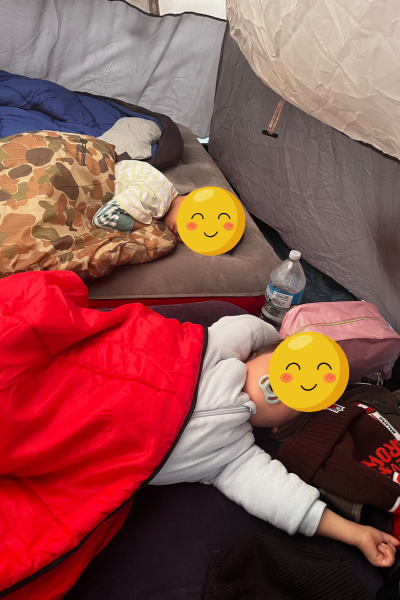
Kids lose body heat faster than adults. Their smaller bodies don’t regulate temperature as efficiently, especially when they’re asleep and not moving around.
A poorly chosen sleeping bag doesn’t just mean a bad night’s sleep—it can affect your child’s mood, energy, and enthusiasm for the whole trip. Cold kids become tired, cranky kids. And tired, cranky kids make for stressed parents.
On the flip side, a warm, comfortable sleep means happier mornings. Your kids wake up energized and excited for the day’s adventures, rather than dragging their feet and asking to go home.
If you’re still building your camping setup and feeling overwhelmed by all the gear choices, start with our camping gear for beginners guide. It breaks down the essentials without the fluff.
The Mum-Friendly Buying Checklist
Let me break down what actually matters when you’re choosing a sleeping bag for your kids. I’ll skip the technical jargon and focus on what makes a real difference on family camping trips.
Temperature Rating: Comfort vs Limit
Here’s what confused me for ages: sleeping bags have different temperature ratings, and they don’t all mean the same thing.
Focus on the comfort rating. This is the temperature at which most people will sleep comfortably. Ignore the “limit” or “extreme” ratings—those are for survival situations, not family camping.
For Queensland family camping, a comfort rating around 0–10°C works well. It gives you flexibility for cooler nights in the hinterland or mountain areas without being overkill for coastal trips.
Here’s how it works in practice: if a sleeping bag has a comfort rating of 0°C, your child should stay comfortable when it’s around 5°C outside. That extra buffer matters, especially for kids who naturally feel the cold more.
Size and Fit
This is where a lot of parents (myself included) get it wrong.
Kids need properly sized sleeping bags. Adult bags are too big, which creates extra space inside. That empty space needs to be heated by your child’s body, which means they work harder to stay warm.
More space equals more heat loss. A snug-fitting kids’ bag will keep your child warmer than a roomy adult bag, even if the adult bag has a better temperature rating.
Synthetic vs Down
If you’re camping with kids, synthetic fill is your friend.
Down is lovely and warm, but it loses all its insulation when wet. Spilled water bottles, morning condensation, or a quick drizzle can leave you with a useless sleeping bag.
Synthetic sleeping bags handle damp conditions much better. They’re also easier to wash (because let’s be honest, camping with kids involves spills), and they’re more budget-friendly.
For family camping, synthetic just makes sense.
Shape: Rectangle vs Mummy
I call this the “wiggle factor.”
Rectangular sleeping bags give kids room to move around. If your child is a restless sleeper who likes to sprawl out, a rectangle shape will keep them happier.
Mummy bags have that cocoon-like tapered shape. They’re warmer because there’s less space to heat, but some kids feel restricted. My son hated his mummy bag and kept unzipping it, which defeated the whole purpose.
Watch how your child sleeps at home. If they’re all over the bed, go rectangular. If they curl up small, a mummy bag might work.
Recommended Sleeping Bag Types for Kids
You don’t need fifteen different options to compare. Simple, reliable gear works best, especially when you’re just getting started with family camping.
These styles are beginner-friendly and designed for the kind of camping most families actually do—weekends in national parks, campground trips, or backyard adventures.
👉 Kids’ rectangular sleeping bag – roomy, easy to move in, and perfect for casual family camping trips where comfort matters most
👉 3-season youth sleeping bag – a warmer option for cooler nights and changing conditions
👉 Double sleeping bag for parent and child – ideal for younger kids who sleep better next to mum or dad
👉 Fleece-lined kids sleeping bag – extra cosy interior for comfort-focused family trips
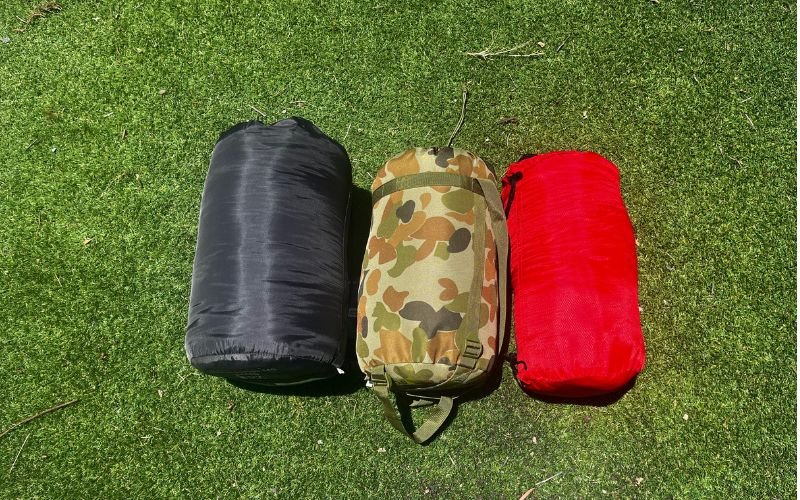
Starting with a warm, well-fitting sleeping bag is one of the easiest ways to make camping more enjoyable for both kids and parents. Get this right, and you’ve solved half the battle.
Kids Sleeping Bag vs Adult Sleeping Bag
I know it’s tempting to just buy a small adult sleeping bag and save a few dollars. I almost did this myself.
The problem is that even “small” adult bags are designed for adult bodies. They’re cut differently, with more room through the shoulders and chest. For kids, that means extra empty space that needs heating.
Your child’s body has to work overtime to warm up all that space. On a cold night, it makes a noticeable difference.
There is one exception: if your child is nearly adult-sized (tall tweens or teens), a compact adult bag might actually fit better than kids’ options. Just check the dimensions carefully and think about where the empty space will be.
Simple Glamping Hacks to Keep Kids Warm
Even with the right sleeping bag, a few small tricks can make a big difference to how warm your kids stay overnight.
Hot water bottle trick – Fill a water bottle with hot (not boiling) water and place it at the foot of the sleeping bag about 15 minutes before bedtime. It pre-warms the bag and gives their feet a cosy start.
The “layer cake” rule – A sleeping bag alone isn’t enough. You need insulation underneath too. Use a sleeping pad or camp cot to create a barrier between your child and the cold ground. The ground steals body heat faster than cold air does.
Fleece blanket inside the bag – Tucking a small fleece blanket inside the sleeping bag adds warmth without bulk. It’s more effective than piling blankets on top.
Warm sleepwear basics – Dress kids in thermal layers, warm socks, and even a beanie if it’s really cold. Bodies lose a lot of heat through the head and feet.
Choosing the right family camping tent also helps trap warmth and keep cold air out at night. A properly sized tent with good weather protection makes your sleeping bags work better.
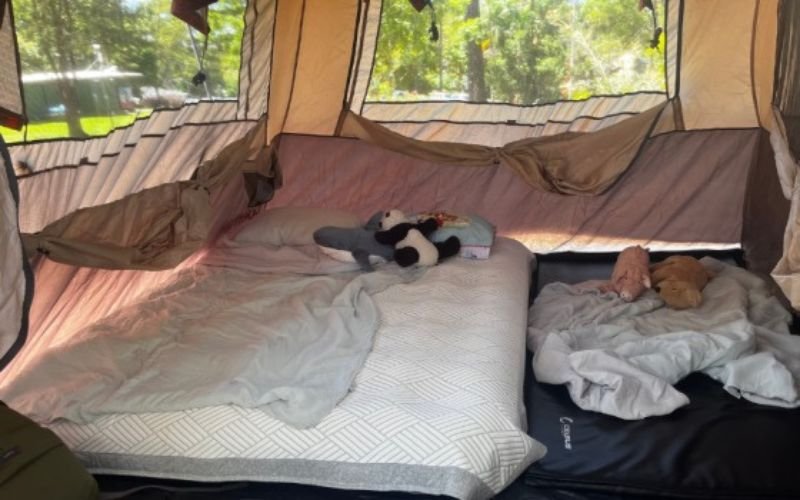
Our Family’s Sleep Setup
My kids use rectangular synthetic bags with a comfort rating around 5°C. They’re not fancy, but they pack away reasonably well and they’ve never complained about being cold.
The biggest game-changer for us was adding proper sleeping mats. I made the mistake on our first trip of skipping them to save space in the car. Never again. The difference they make to warmth and comfort is huge.
My worst mistake? Buying sleeping bags based on cute designs rather than temperature ratings. We had to upgrade after that cold Lamington trip because I’d focused on the wrong things.
The one thing that improved sleep the most? Making sure the bags actually fit my kids. Once we switched from oversized bags to properly sized ones, everyone started sleeping through the night.
We stuck with a simple 3-season kids sleeping bag, and it’s been more than enough for our regular family trips.
Safety Notes for Kids’ Sleeping Bags
A few quick safety reminders:
- Avoid oversized bags for toddlers and young children. Too much extra fabric can become a safety issue.
- Keep drawstring cords away from very young children and make sure older kids know not to pull cords tight around their necks.
- Check temperature ratings properly and layer up if there’s any doubt about warmth. It’s easier to remove a layer than to add warmth at 3 AM.
- Watch for overheating inside the tent. Kids can get too warm on mild nights, especially in well-insulated tents.
Final Thoughts: Warm Kids = Happy Campers
You don’t need the most expensive sleeping bag on the market. You just need one that fits properly and keeps your kids warm enough for the conditions you’ll actually camp in.
Focus on warmth and fit first. Everything else is secondary.
Start simple, see how your family camps, and upgrade later if you need to. Most families do absolutely fine with mid-range synthetic bags that handle Australian camping conditions well.
If you’re just getting started with family camping and feeling a bit overwhelmed by all the gear decisions, our camping gear for beginners guide walks you through the essential items for a comfortable family trip. It takes the guesswork out of what you actually need versus what’s just nice to have.
Now get out there and make some memories. Just make sure everyone’s warm enough to enjoy them.