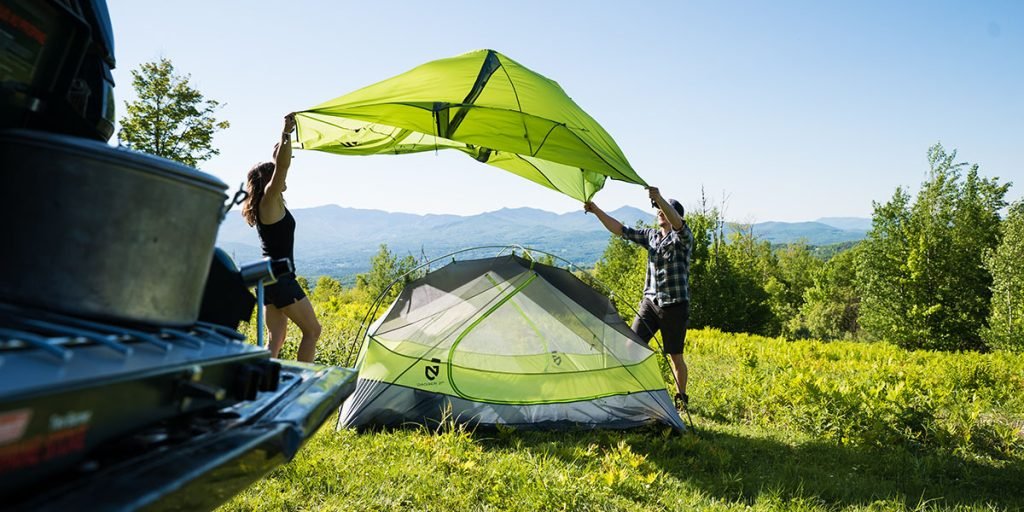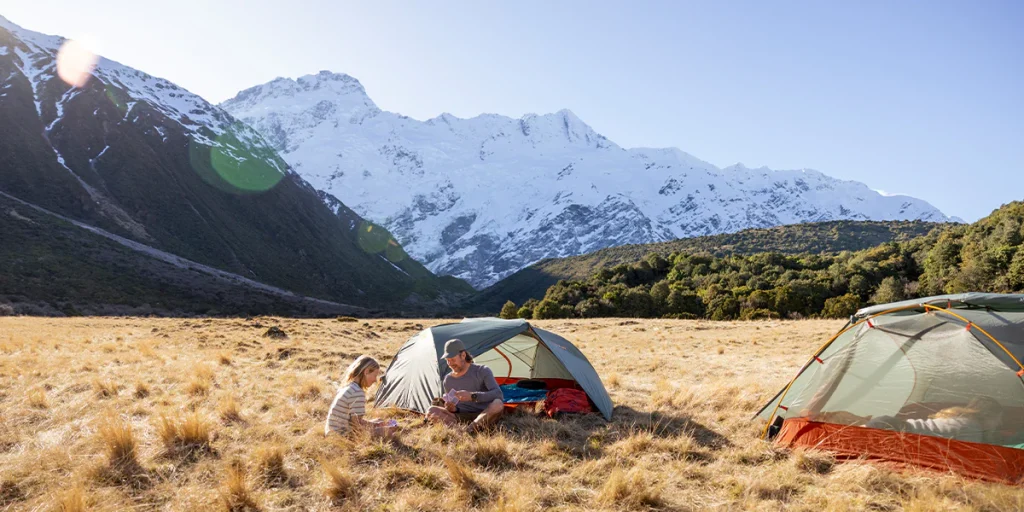
How to Blackout a Cheap Tent (So Your Kids Actually Sleep Past 5am)
If you’ve camped with small kids in Queensland, you already know exactly what happens at 5am.
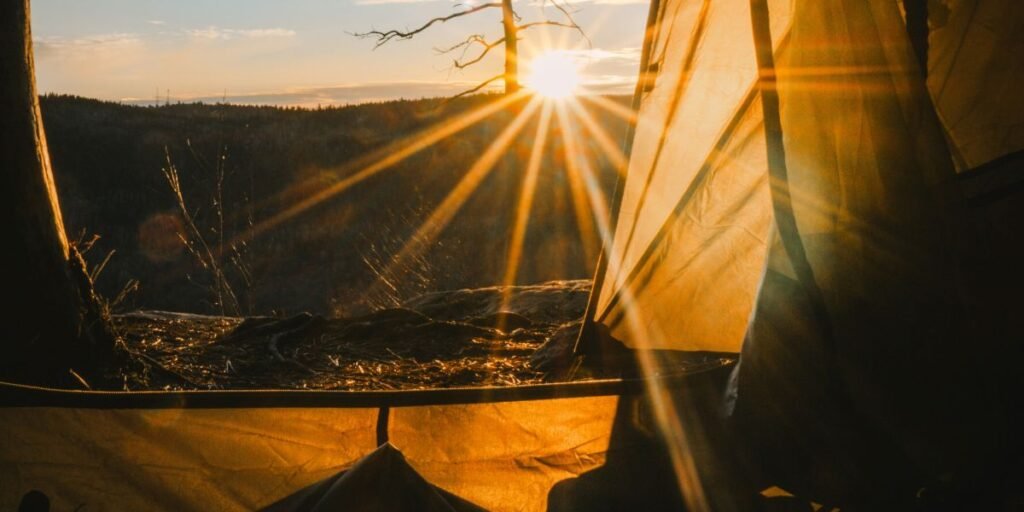
The sun comes up. The tent turns into a glowing orange lamp. And your toddler — who was a complete disaster at bedtime — is suddenly wide awake, full of beans, and making sure everyone in the campsite knows about it.
Meanwhile, you’ve had maybe four hours of broken sleep and there is no coffee yet.
I’ve been there. Multiple times. After one spectacularly rough Easter long weekend somewhere on the Gold Coast hinterland, I decided I was done accepting it as “just part of camping.”
It doesn’t have to be. You don’t need to buy a fancy blackout tent. You just need a few cheap hacks and about twenty minutes of prep before your next trip.
Here’s everything I’ve worked out.
Why the Tent Light Problem Is Worse in Queensland
This isn’t just a camping problem — it’s a Queensland camping problem specifically.
In summer, the Gold Coast and surrounding regions can see sunrise as early as 4:49am. That is not a typo. Sunrise before 5am, and your average budget tent fabric is about as effective as a beach towel draped over a window. The light doesn’t creep in — it floods in.
And little ones’ brains are genuinely wired to respond to it. Melatonin — the hormone that keeps kids (and you) asleep — gets suppressed by light exposure. So even if your child is still tired, their body is sending a full “good morning!” signal. They’re not being difficult. Their biology is just doing its thing.
The fix is simple: less light in the tent. And you do not need to spend $400 to make that happen.
If you’re curious about how dark rest technology actually works in purpose-built tents, I’ve broken that down here. What Is a Dark Rest Tent?. But if you just want the cheap DIY fix — keep reading.
Before You DIY: Find Your Light Leaks
Before you start draping things over your tent, spend two minutes figuring out where the light is actually getting in. Every tent is different, but the usual suspects are:
The door mesh. Most budget tent doors have a mesh inner panel that lets in full morning light even when the outer door is zipped shut. This is almost always the biggest problem.
The roof vents. Necessary for airflow, but also a direct channel for that 5am QLD sun from above.
The windows. Roll-up or zip-down windows often have mesh underneath that light passes straight through.
The tent fabric itself. Cheaper polyester tents can go almost translucent in direct sunlight. Nothing you can clip over the mesh will help if the whole wall is letting light through.
Once you know where your worst spots are, you can target them directly rather than trying to blackout the entire tent at once.
The Cheap DIY Fixes That Actually Work
These are the methods I’ve personally tested. None of them cost more than about $30 all up, and most use things you can grab at Kmart or Bunnings on the way out of town.
1. Blackout Fabric from the Craft Aisle
This is my top pick. Blackout lining fabric — the same stuff used for window blinds — is sold by the metre at Spotlight and some larger Bunnings stores. It’s usually around $8–$12 per metre, lightweight, and blocks light completely.
You don’t need to sew anything. Cut it roughly to the size of your tent’s mesh door or window panel, and attach it with:
- Large bulldog clips or binder clips (Kmart, under $3 for a pack)
- Safety pins clipped to the mesh
- Small adhesive velcro dots pressed onto the tent frame (peel off cleanly when you leave)
The beauty of this method is that you can roll it up flat and pack it with almost no weight added to your kit. It takes about 90 seconds to put up once you’re at camp.
2. The Kmart Clip Method (No Cutting Required)
If you don’t want to deal with fabric at all, this is your lazy-but-effective option.
Grab a pack of large plastic clips from Kmart — the kind sold as chip bag clips or laundry clips, usually a few dollars for a pack. Then use a dark-coloured sheet, sarong, or a beach towel from home.
Clip it to the inside of your tent door frame, over the mesh panel. It won’t be a perfect blackout — some light sneaks in around the edges — but for a toddler who just needs things dimmer rather than completely dark, it can easily buy you an extra hour of sleep.
I’ve genuinely used a $2 sarong and four clips to do this on a trip. Everyone slept until 6:45am. On a camping trip. With a two-year-old. That felt like an absolute win.
3. Dark Tarp Over the Outside
If your tent runs hot and you’re worried about making it worse by covering the inside, try a dark-coloured tarp draped loosely over the outside instead. This works especially well for the roof and the sun-facing wall.
A charcoal or dark green tarp from Bunnings (around $15–$25 depending on size) can knock back a significant amount of that early morning light. Drape it loosely so there’s still airflow underneath, and secure it with rope or bungee cords.
Bonus: it also helps keep the tent interior cooler during the day, which is a real quality-of-life improvement when you’re camping in QLD summer. If you want more ideas for making a budget tent feel genuinely comfortable, I’ve covered a lot of them in the DIY Glamping Gear section.
4. Double-Layer the Doorway
Most family-sized tents have a vestibule or outer fly that extends over the door. If yours does, make sure it’s fully zipped down on the sunrise-facing side — even if the weather is fine and you don’t ‘need’ it closed.
Then add a piece of dark fabric or a towel clipped over the inner mesh door as well. Two layers of barrier between your kids and that 4:49am QLD sunrise makes a real difference.
5. Position Your Tent Wisely (This One Is Free)
Before you peg everything in, spend thirty seconds thinking about where the sun will rise. In Queensland, that’s generally east-northeast. If you position your tent so the main door faces west or south — with the solid walls rather than the mesh panels facing the sunrise — you can delay the morning light wake-up by 30 to 45 minutes without doing anything else.
This is the simplest hack on the list and the easiest to forget when you’re setting up in the dark or the rain. Worth remembering. Bureau of Meteorology sunrise times QLD.
What About Eye Masks for Kids?
Worth trying if your kids are old enough to keep one on. Kids’ sleep masks are widely available online — soft, adjustable, and they come in fun prints that make them feel like a treat rather than a tool.
For children who already use them as part of a day sleep routine at home, they can work really well on camping trips. They’re also great for toddlers who need an afternoon nap at camp when the sun is still high. Dark and calm, and they’re out.
When It’s Worth Upgrading the Tent
If you camp more than a few times a year and the early wake-ups are genuinely ruining it for everyone, it might be worth considering a tent with built-in dark room technology.
The Coleman Dark Room Skydome is one of the most popular options for families — it blocks around 90% of sunlight, sets up in under five minutes, and there’s enough room for an air mattress and all the kids’ stuff without feeling like you’re camping in a cupboard. It’s not a budget tent, but it’s mid-range and the difference across a week-long school holiday trip is significant
I’ve also written a full breakdown on what to look for in a dark rest tent for families if you want to compare options before you commit. How to Make Any Tent a Dark Rest Tent.
Pack This in Your Camping Kit
If you want to make this easy to repeat every trip, here’s exactly what I keep in a small zip pouch in my camping box:
- One piece of blackout fabric cut to fit my tent door (approx 1m x 1.5m, edges sealed with packing tape to stop fraying)
- Six large bulldog clips
- Two bungee cords (backup for the tarp method)
- Two kids’ sleep masks
The whole lot fits in a sandwich bag and weighs almost nothing. But it’s made the difference between a camping trip where everyone is dragging by 10am, and one where we actually feel like we had a rest.
The Real Secret to Kids Sleeping Well at Camp
No single product is a magic fix. What makes the biggest difference is managing the light before they go to sleep — not just in the morning.
In summer, it’s still bright outside at 7pm. If the tent is glowing orange while you’re trying to get the kids down, you’re fighting against their biology before the night has even started. Clip the door fabric in place at bedtime, use a small warm-toned LED lantern rather than a bright headtorch, and stick as closely as you can to your usual wind-down routine from home.
If you want the full rundown on our actual campsite bedtime routine — including what we bring specifically to make it work with a toddler and a school-aged kid — that’s all covered in the Family Camping Tips section.
Want this as a printable checklist?
Grab the free Camping Footprint family camping checklist below — it includes the full blackout tent kit list, the family packing list, and a few extras that have saved us on more trips than I can count. Drop your email and it’s yours.
Free No-Stress Glamping Checklist
Turn your next camping trip into a comfortable, family-friendly glamping experience—without the stress.
Thank you!
You have successfully joined our subscriber list.
Some links on this page are affiliate links. If you purchase through them, we may earn a small commission at no extra cost to you.