Camping in the summer can be an incredible experience—sunny days, fresh mountain air, and warm nights under the stars. But one downside I’ve faced time and again is dealing with the intense heat that builds up inside a tent. After a few uncomfortable nights tossing and turning in a tent that felt like a sauna, I realized I needed to figure out how to keep your tent cool in the summer if I wanted to continue enjoying warm-weather adventures.
Through trial, error, and a lot of sweaty mornings, I’ve learned how to manage tent temperatures more effectively. In this guide, I’ll walk you through every strategy I use to stay cool when camping during the hottest months of the year.
Choosing the Right Spot Makes a Huge Difference
Shade Over Everything
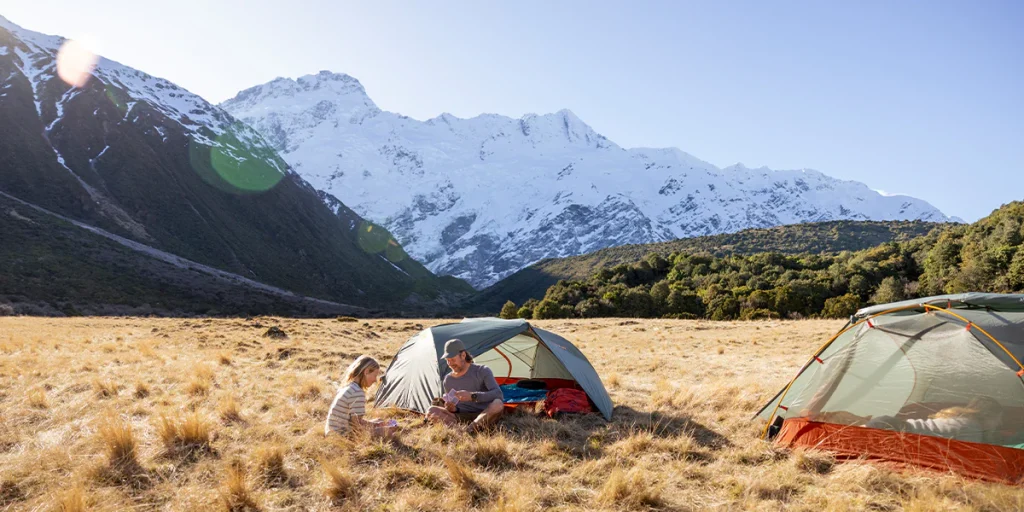
When I first started summer camping, I didn’t realize just how important your tent’s location is. Now, the first thing I look for is natural shade. Tall trees, rocky outcroppings, or even hillsides can block direct sunlight and significantly reduce the temperature inside a tent during the day. I like to observe where the sun will be moving and position my tent where it will get the most shade during the hottest hours—typically midday to late afternoon.
If shade is scarce, I bring my own. A reflective tarp strung up with paracord between nearby trees creates artificial cover that keeps the sun from hitting the tent directly. It’s an easy solution and can drop the temperature inside by several degrees.
Set Up With the Breeze
Another habit I’ve developed is noting which direction the breeze is coming from. Positioning the tent so that the door and windows face into the wind helps pull air through the space. That natural airflow acts like a cooling system, moving hot air out and allowing fresh air in. I usually bring along a lightweight windsock or ribbon to help me determine wind direction before setup.
Ventilation Is Key for Hot Nights
Maximize Mesh Panels
Tents with plenty of mesh panels are a must for summer. The more airflow, the better. I leave all mesh windows and ceiling vents open whenever possible. At night, I partially unzip the door to improve circulation while keeping bugs out with the mesh layer. This alone can make sleeping far more bearable.
If your tent doesn’t have great ventilation, consider upgrading or modifying it. I’ve added extra mesh to an older tent using no-see-um netting and Velcro—it made a huge difference.
Leave the Rainfly Off (When You Can)
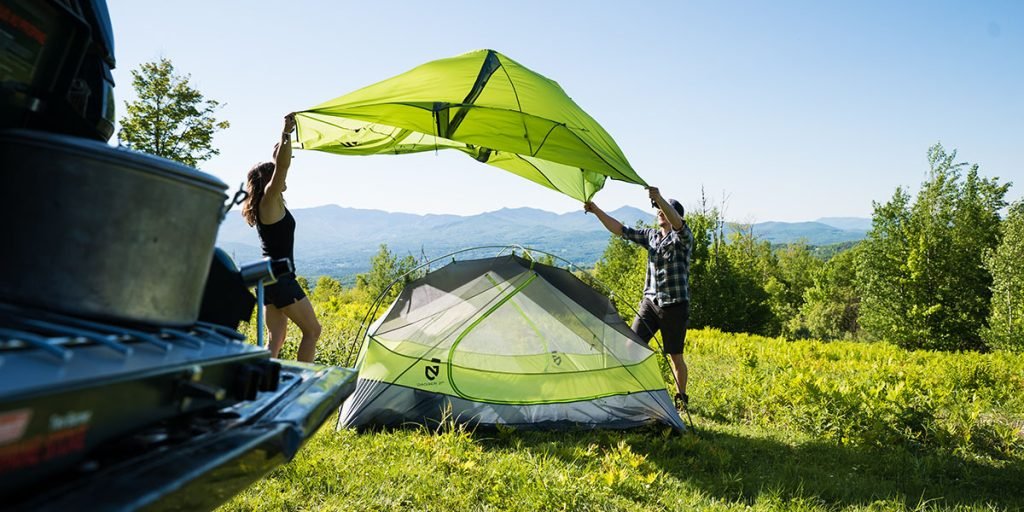
Rainflies are great for protection from rain, but they’re terrible at allowing heat to escape. When I know the skies will be clear, I take the rainfly off completely during the day and only put it back on if needed at night. Without that extra layer, warm air can rise and exit through the mesh ceiling, making a significant improvement in interior temperature.
Cooling Tools That Actually Work
Bring a Portable Fan
One of the most effective investments I made was a battery-powered camping fan. I hang it from the tent ceiling or place it near the door, and it keeps air moving all night long. There are even rechargeable versions with built-in LED lights. I keep mine charged with a small solar panel during the day.
On especially hot trips, I bring two fans—one to push air in and another to pull hot air out. It might sound excessive, but in scorching heat, airflow makes a night-and-day difference.
Use Ice Packs and Damp Towels
A trick I picked up from a fellow camper involves wrapping ice packs in a towel and placing them in your sleeping area. When I use this method, I usually place one behind my neck and another near my ankles. You can also wet a towel with cold water, wring it out, and drape it over your body—just be careful not to soak your sleeping bag or mat.
If you’re car camping and can bring a cooler, freeze water bottles ahead of time. These can double as drinking water and as cooling devices in your tent.
Smart Sleeping Strategies
Choose Breathable Bedding
When nights stay warm, ditching the traditional sleeping bag is a smart move. I sleep on a lightweight air pad or foam mat with a cotton sheet or camping blanket on top. Avoiding thick materials helps keep heat from getting trapped under you.
I also wear moisture-wicking clothes to bed—usually a tank top and light shorts. Cotton pajamas tend to hold sweat, which just makes you feel hotter.
Hydrate Before You Sleep
This is a simple habit that has helped me immensely. Drinking water before bed ensures that my body can regulate its temperature more efficiently through the night. I also avoid heavy meals and caffeine after sunset to prevent feeling overly warm and restless once I lay down.
Avoiding Common Mistakes
Don’t Overpack Your Tent
Early on, I would bring too many belongings into the tent—extra gear, full backpacks, even my daypack. All that clutter restricts airflow and traps heat. Now, I leave non-essential items outside in a secure gear vestibule or under a tarp. A tidy tent with minimal contents stays cooler and feels more breathable.
Avoid Hot Surfaces for Setup
Another important tip is to avoid pitching your tent on heat-retaining surfaces like asphalt or large rocks. These surfaces absorb the sun’s energy all day and release it slowly at night. Instead, I look for grassy patches, pine needles, or sandy areas that don’t hold heat as intensely.
Additional Tips for Daytime Relief
Take Advantage of Water
If your campsite is near a lake or stream, take regular dips throughout the day to keep your body temperature down. Even soaking your feet or splashing your face can provide quick relief. I also bring a misting bottle to spray water on my face and arms when I feel overheated.
Create a Tent Canopy
I mentioned tarps earlier, but it’s worth expanding on. Setting up a canopy several inches above your tent creates an air gap that reflects sunlight and allows heat to rise and escape. Using reflective material or even a basic silver emergency blanket can do the trick. I attach the corners to trees or hiking poles, ensuring it doesn’t block ventilation openings.
Final Thoughts
Over the years, figuring out how to keep your tent cool in the summer has turned into a bit of an art form for me. I used to dread warm-weather camping, but now I look forward to it—knowing I can manage the heat with a few smart decisions and some easy-to-carry gear. From picking the right campsite to tweaking airflow inside the tent, every step adds up.
With a little preparation and a few cooling strategies, you can sleep soundly and enjoy everything summer camping has to offer—without waking up in a puddle of sweat. Whether you’re hiking into the backcountry or lounging by a car-camping site, staying cool in your tent is totally doable.