If you’ve ever been caught in a stormy night with winds howling through your campsite, you know the importance of having the right gear. I’ve camped in many types of weather, but the trips that challenged me the most were those with relentless gusts shaking the tent all night long. Through trial, error, and more than a few blown-away fly sheets, I’ve come to understand exactly how to choose the best tents for windy conditions. In this guide, I’m sharing everything I’ve learned so you can avoid the mistakes I made and enjoy a secure, comfortable night—no matter what the weather throws at you.
Understand Where You’re Camping
Analyze the Terrain and Elevation
The first lesson I learned the hard way was that where you camp plays a huge role in how your tent handles wind. Open plains and exposed ridgelines make your tent more vulnerable to strong gusts. In contrast, valleys and forested areas may provide some natural shielding.
When I plan a trip, I always check topographic maps to get a sense of the land’s contour. Higher altitudes tend to be breezier, and flat, treeless areas are essentially wind tunnels. Even the best-designed tent can struggle if you place it directly in the wind’s path, which is why location scouting is key when thinking about how to choose the best tents for windy conditions.
Take Wind Patterns Into Account
If I’m camping in a coastal area or a mountain pass, I try to get a feel for the usual wind directions in that region. Local weather forecasts often include wind speeds and directions, and that little bit of research can make a world of difference.
Knowing where the wind is likely to come from helps me position my tent correctly. I always aim to have the smallest side of the tent facing the wind, which reduces pressure on the structure and keeps it more stable throughout the night.
Design Features That Truly Matter
Aerodynamic Tent Shapes Perform Better
I used to think that roomy cabin-style tents were the best—until one flattened on me during a storm. I quickly realized that a tent’s shape is one of the most crucial elements in surviving high winds. These days, I always opt for low-profile tents with rounded contours.
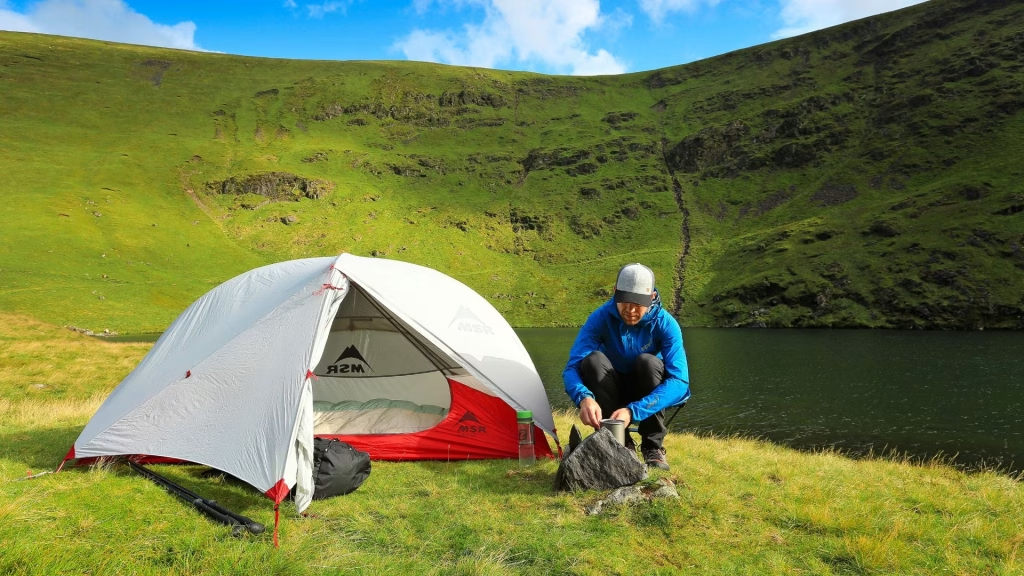
Geodesic and dome tents, with their intersecting poles and smooth surfaces, allow wind to pass over more easily. This type of structure distributes stress evenly and is far less likely to buckle or flap wildly in a storm. When figuring out how to choose the best tents for windy conditions, shape should be your starting point.
The Strength of the Frame Is Critical
Not all poles are created equal. In my early camping days, I made the mistake of buying a tent with fiberglass poles. They were fine in fair weather, but when the wind picked up, they snapped like twigs. Now, I only go for aluminum or carbon-fiber poles—they’re lightweight but incredibly durable.
Another must-have is a cross-pole design. The more points where the poles intersect, the more evenly pressure is distributed. I also make sure the tent has reinforcements at those junctions. These little details may not seem important in the store, but they’re everything when you’re battling 40 mph winds.
Proper Anchoring Is Non-Negotiable
Use the Right Stakes for the Ground
No matter how strong your tent is, it won’t do much good if it’s not anchored properly. On one especially stormy night, I watched my tent lift at the corners like a parachute—all because I used the wrong stakes for the rocky ground. That experience taught me never to overlook anchoring systems.
Now I carry a mix of stakes suited for different types of soil. In soft or sandy terrain, I use longer stakes or even bury a horizontal stick to create a “deadman” anchor. In hard or rocky areas, nail-style stakes or heavy-duty steel ones work best. Learning how to choose the best tents for windy conditions also means understanding how to secure them effectively.
Don’t Underestimate the Power of Guylines
When I first started camping, I treated guylines as optional. I couldn’t have been more wrong. Properly tensioned guylines make a world of difference. They stabilize the tent, reduce fabric flapping, and prevent poles from bending or snapping under pressure.
Before every trip, I inspect my guylines, add reflective cord if needed, and pack extra line in case I need to anchor to rocks or trees. I also use tensioners to keep the lines snug throughout the night. A tent that’s tightly guyed down can withstand winds that would rip apart a poorly prepared one.
Choosing Materials That Stand Up to the Wind
Durable Fabrics Are Worth the Investment
After one trip where a cheap tent tore down the seam during a storm, I learned not to skimp on material quality. High-denier ripstop nylon or polyester is my go-to now. These fabrics not only resist tearing but also handle the constant stress of flapping better than thinner materials.
I also look for tents with reinforced stitching at corners and pole sleeves. Taped seams and double-layered stress points offer extra peace of mind when the weather turns foul. If you’re wondering how to choose the best tents for windy conditions, fabric strength should be high on your checklist.
Good Ventilation Prevents Internal Chaos
Windy conditions can cause condensation to build up inside if your tent isn’t properly ventilated. I’ve had nights where the inside of my tent felt like a rainforest despite freezing temperatures outside. That’s why I now insist on tents with adjustable vents and mesh panels.
Ventilation keeps air flowing through, reducing internal moisture and helping the tent maintain structural integrity. Some tents even have storm flaps over the vents to allow airflow without letting in rain. It’s a feature worth paying attention to if you camp in wild, shifting climates like I do.
Tips for Real-World Success
Practice Before You Camp
The first time I set up a new tent, I make sure it’s not out in the field. I’ve learned to test it in my backyard or a local park first. Familiarity with setup procedures ensures I can pitch it quickly even in deteriorating weather.
This practice run also helps me fine-tune the guyline layout and test the stakes for different terrains. The more confident I am with my gear, the better I perform when time or weather conditions are tight.
Don’t Prioritize Comfort Over Safety
It can be tempting to choose a taller tent with standing room or extra space. While those features are nice, they’re not practical when it’s windy. On one memorable trip, I camped beside another group whose spacious tent blew flat within minutes of a storm rolling in. My small but solid dome-style tent held up the entire night.
Now, I remind myself that camping in wind is about compromise—comfort is great, but safety and sleep are better. Compact and sturdy will always win in rough conditions.
Final Thoughts
Camping in windy environments adds an extra layer of complexity to the experience. But with the right approach, it can still be safe, enjoyable, and memorable. After years of trial and error, I’ve learned how to choose the best tents for windy conditions by focusing on the tent’s shape, materials, pole structure, and anchoring system.
The peace of mind that comes from a reliable setup is priceless. With these lessons in your back pocket, you’ll be ready for whatever the breeze—or full-blown gale—decides to bring. Your tent will stay grounded, your sleep uninterrupted, and your trip a success—even if the wind refuses to calm down.