How to Choose the Best Tent for Camping: A Beginner-Friendly Guide for Families
Camping has been a core part of my lifestyle for as long as I can remember. Whether it’s pitching a tent under a canopy of stars or waking up to the sounds of a mountain stream, each trip has taught me something new about how to prepare—especially when kids are involved. Of all the gear I pack, my tent is the most important. Choosing the right one is not just about comfort—it’s about safety, convenience, and making the most of your outdoor experience with the whole family. In this guide, I’ll break down how to choose the best tent for camping, sharing the tips I’ve gathered over years of exploring wild terrains and quiet campgrounds. And since you’re gearing up for family adventures in 2026, I’ll weave in recommendations for some of the top-rated family camping tents that check all the boxes for beginners.
If you’re still building your setup, start with our guide to camping gear for beginners.
Define Your Camping Style Before You Buy
Knowing the Difference Between Car Camping and Backpacking
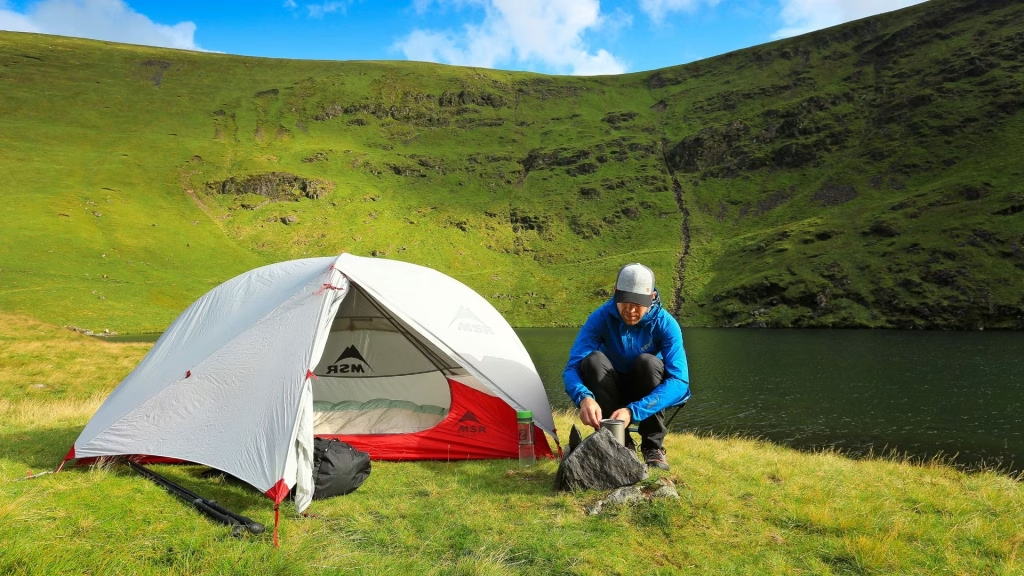
The first step in picking a tent is to get clear on the kind of camping you’ll be doing. When I plan a trip that involves driving right up to my campsite—perfect for families with little ones who might not hike far—I go for a bigger, more spacious tent. There’s no penalty for bulk or weight when you’re not hiking it in. However, if I’m heading into the backcountry with older kids up for a challenge, portability is key. I need a compact, lightweight tent that won’t weigh me down after miles of trekking. For most beginner families, car camping is the sweet spot, allowing room for toys, coolers, and everyone’s gear.
Matching Tent Size to Your Group and Gear
Beginner-Friendly Family Tent Options
If you’re just starting out, choosing a reliable, easy-to-set-up tent makes a huge difference to your camping experience. These family-friendly tent styles offer a good balance of space, weather protection, and simplicity, making them ideal for beginner campers. For family camping, having a little extra space makes a big difference, especially when you’re changing clothes, storing gear, or waiting out bad weather with kids inside.
👉 Family-size camping tent (4–6 person) – spacious, easy to set up, and ideal for weekend trips with kids
👉 Instant setup family tent – quick pitch design that saves time and frustration at the campsite
👉 Compact 2–3 person beginner tent – a lightweight option for couples or small families
It’s not just about how many people will sleep inside. I think about the gear we’ll store inside too—like extra blankets, board games, or snacks for the kids. If I’m camping solo, a two-person tent gives me just enough space for myself and my pack. When I’m with friends or family, I usually go one size up. A four-person tent for three people ensures we’re not crammed together, especially if we get stuck inside during bad weather. For families of four to six, aim for at least a 6-person model to keep things cozy without chaos.
Tent Dimensions and Livability
Having space to move around inside a tent makes a world of difference, especially when wrangling restless children. I always check the floor area and ceiling height before buying. A tent might say it fits two people, but if the design is narrow or the peak height is too low, it can feel claustrophobic. I like to be able to sit up easily and keep my essentials close without feeling boxed in. Look for near-vertical walls and a peak height of at least 6 feet so adults can stand comfortably while changing or playing cards with the kids.
Pairing your tent with the right sleeping setup also makes a big difference. You can read our guide on how to make a camping cot more comfortable for better rest outdoors.
Climate Readiness and Tent Structure
Choosing a Tent for the Seasons You Camp In
Tents shine—they balance airflow, protection from rain, and low weight. But if you’re planning a trip during shoulder seasons with cooler temps or heading into alpine zones, a four-season tent is essential. It offers insulation and support for snow loads, something three-season tents just can’t do. For 2025 family trips, prioritize models with good ventilation to keep things cool during summer heatwaves.
Preparing for Rain, Wind, and Unexpected Storms
I’ve had my fair share of soggy sleeping bags, so now I don’t compromise on waterproofing—especially with kids who spill everything. I look for tents with rain flies that extend all the way down, seams that are factory-sealed, and a floor with a high waterproof rating (at least 2,000mm). For windy environments, I make sure the tent includes sturdy poles, multiple guy-out points, and a design that won’t collapse if gusts pick up. Features like full-coverage rain flies and reinforced corners are non-negotiable for peace of mind.
Simplicity and Setup Time
Prioritizing Easy Assembly
When I get to camp late or the sky threatens rain, I want to set up fast—nobody wants hangry kids waiting in the car. That’s why I prefer tents with intuitive assembly—color-coded poles, clips instead of sleeves, and freestanding designs that stay up before I stake them down. I always set up a new tent at home first so I can get familiar with it in a low-stress environment. Quick-pitch hubs can shave setup time to under 5 minutes, a game-changer for beginners.
Factoring in Size When Packed Down
For trips that require walking long distances, I keep an eye on the tent’s packed size. A bulky tent can be a pain to carry. Some models offer stuff sacks with compression straps to reduce volume, while others allow you to split parts between two people. On shorter hikes or car camping, I might sacrifice some packability for added comfort. For families, opt for tents under 25 pounds total to make transport manageable.
Staying Dry and Comfortable Inside
Condensation can sneak up on you, especially in humid places or with multiple breathers under one roof. I’ve learned to favor tents with plenty of mesh panels and multiple vents to keep the air flowing. When I wake up dry, even after a damp night, I know the ventilation is doing its job. Doors and windows that you can crack open without letting in bugs are a nice plus too—bug netting keeps the mosquitoes at bay during family storytime.
Useful Features That Make a Difference
Storage Options That Keep Things Organized
A cluttered tent can get stressful fast, particularly with kids’ toys everywhere. That’s why I always look for tents with interior pockets, hooks for hanging lights, and gear lofts to keep my stuff off the ground. Vestibules—those sheltered areas outside the doors—are great for leaving shoes, packs, or even cooking gear outside but protected. Dual doors and divided sleeping areas add privacy for growing families.
The Importance of Doors and Accessibility
When I’m sharing a tent, I don’t want to crawl over someone in the middle of the night to get out—or deal with a toddler’s midnight potty run. I aim for tents with dual doors whenever possible. Not only does it add convenience, but it also helps with airflow and gives everyone their own exit. Bonus points for models with blackout fabric to help little ones nap longer.
Materials and Construction Quality
A tent might look good in photos, but I always check what it’s made of. Ripstop nylon, aluminum poles, and reinforced corners are a must for durability—especially with active kids climbing around. A good tent should last years, not just a season. I also make sure to carry a tent footprint or groundsheet to protect the bottom of the tent from abrasion, moisture, and sharp objects. It’s a small addition that can significantly extend the life of your tent. In 2025, look for PFAS-free materials for eco-friendly peace of mind.
Balancing Cost with Value
There are plenty of tents available at different price points. From my experience, while budget options can be tempting, spending a little more upfront usually means better durability, weather protection, and overall comfort—especially for regular family trips. That said, I still keep an eye out for deals during off-season sales or promotions. Before choosing a tent, it helps to think about how often you’ll use it and the conditions you’re likely to camp in. For most families, a quality tent in the $200–$600 range offers a great balance of reliability, space, and value. Beginner campers rarely need an expensive expedition-style tent; a well-reviewed, family-friendly model in the mid-price range is more than enough for typical weekend adventures.
Final Thoughts
Learning how to choose the best tent for camping took me years of trial and error, from misadventures in flimsy models to unforgettable nights in sturdy shelters that kept me dry and warm—rain or shine, with or without kids in tow. By understanding your camping style, checking the technical specs, and knowing what features really matter, you can find a tent that fits your needs perfectly. It’s not just about having a place to sleep—it’s about creating a reliable base where you feel comfortable, safe, and at home in the wild.
So if you’re gearing up for your next outdoor trip in 2026, remember that knowing how to choose the best tent for camping will set you up for success before you even leave your driveway. A good tent turns a simple trip into a great one, and once you’ve found the right fit—like one from our top picks—you’ll never want to leave it behind.
Once you’ve chosen your tent, the next step is making sure you have the right essentials. Our family camping gear guide for beginners walks you through the must-have items.
Happy camping!