As an avid camper, I’ve learned over the years that keeping my gear in top condition is crucial for a great outdoor experience. One of the most frustrating challenges I’ve faced in my camping journeys is dealing with tent mold. Not only does mold ruin the aesthetic appeal of your tent, but it can also pose health risks. After dealing with this issue on several occasions, I’ve discovered effective ways on how to prevent and remove tent mold. Whether you’re a first-time camper or a seasoned outdoor enthusiast, these tips will help you maintain a mold-free tent, allowing you to enjoy your camping trips with ease.
Understanding the Risks of Tent Mold
Before delving into the methods for how to prevent and remove tent mold, it’s essential to understand why mold forms and why it’s important to keep it under control. Mold thrives in moist, warm environments. This makes tents particularly vulnerable, especially if they aren’t properly aired out or dried after use. I’ve learned that mold doesn’t just affect the look of your tent—it can weaken the fabric and even cause respiratory issues. I’ve had a few camping trips interrupted due to mold growth, and now, I make sure to address the issue early on to avoid any health concerns or damage to my gear.
The Consequences of Mold in Tents
Mold can cause serious long-term damage to your tent. The moisture it creates can break down the fibers of the fabric, diminishing its ability to protect you from the elements. When I’ve neglected to take proper care of my tent, I’ve noticed that mold can spread rapidly, and before I know it, small patches turn into large colonies that compromise the structural integrity of the tent. Additionally, mold can cause the tent to lose its waterproofing, which is crucial for staying dry during your camping trips. Over time, mold can leave permanent stains that affect the overall appearance of your gear. These reasons alone have motivated me to take proactive measures on how to prevent and remove tent mold before it becomes a significant problem.
Effective Ways to Prevent Tent Mold
In my years of camping experience, I’ve discovered several proactive measures to prevent mold growth in my tent. By following these steps, you can minimize the risk of mold formation and keep your tent in great condition for years to come. Here are my top tips on how to prevent mold from taking over your camping gear.
Keep Your Tent Dry After Every Use
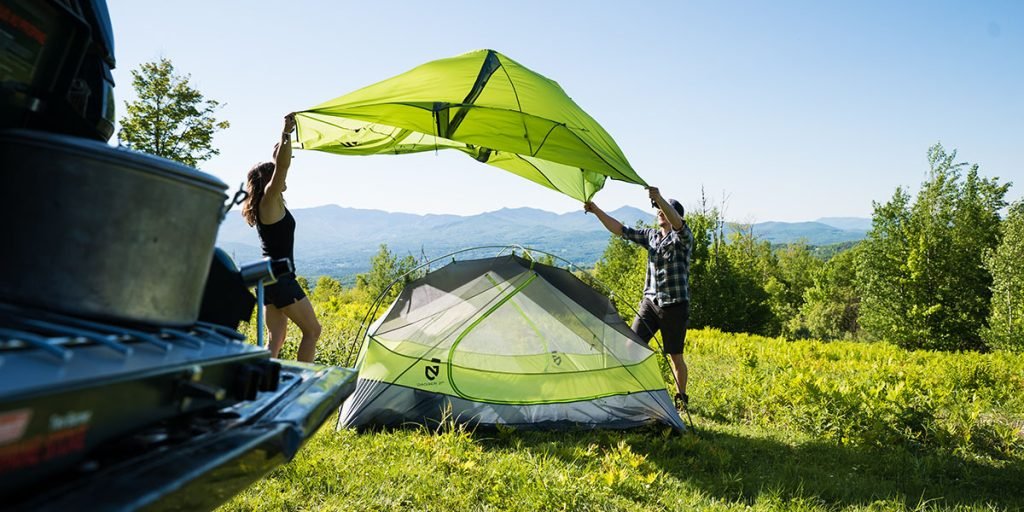
One of the most critical steps I take to prevent mold is ensuring my tent is completely dry before packing it up. Moisture can quickly accumulate in the fabric, especially during rainy nights or humid conditions. I always take the time to set up my tent after a camping trip, even if it wasn’t a rainy day. By setting it up in a well-ventilated area like my backyard, I can ensure the fabric dries out fully. I pay close attention to areas like the floor and corners where moisture tends to linger. I also make sure to shake out the tent thoroughly to remove any dirt or debris that could hold moisture. This drying process is essential to prevent the development of mold.
Choose a Tent with Adequate Ventilation
I’ve learned that good airflow is crucial for preventing moisture buildup in the tent. Tents with proper ventilation allow air to circulate freely, reducing humidity inside. Over the years, I’ve made sure to invest in tents that have mesh panels and ventilation windows. These features are excellent at allowing moisture to escape and preventing condensation, which is one of the main causes of mold. Whenever I’m camping in humid environments or after a rainfall, I always make sure that the vents are open and unobstructed to ensure proper airflow inside the tent.
Store Your Tent in a Dry Location
When camping trips are over, storing your tent properly is just as important as drying it out. I’ve found that storing a damp or wet tent in a dark, humid space like a garage or basement can lead to mold growth. Instead, I store my tent in a cool, dry place, ideally indoors, away from any sources of moisture. If possible, I hang my tent to allow it to air out and prevent it from developing any musty smells. Avoid storing the tent in tight, sealed bags for long periods, as this traps moisture inside. Proper storage can significantly reduce the chances of mold forming.
Use Mold-Resistant Treatments
In addition to basic care, I’ve found that using a mold-resistant spray can be a game-changer for my tents. These treatments work by creating an invisible barrier that helps repel moisture, preventing mold and mildew from taking hold. I spray my tent with a mold-resistant solution before each camping season and whenever I notice any signs of mold. The spray is easy to apply and doesn’t affect the material of the tent. Using this treatment regularly has helped me protect my gear from mold growth and keep it looking new.
How to Remove Tent Mold
Even with the best prevention techniques, there may still be times when mold appears on your tent. If that happens, don’t panic—I’ve been there! It’s entirely possible to clean mold off your tent and restore it to its original condition. Below are the steps I take to effectively remove mold from my tent, ensuring it stays safe and functional for future use.
Inspect the Tent for Mold Growth
Before cleaning, I always carefully inspect the entire tent for mold. I focus on high-moisture areas, such as the corners, seams, and the bottom of the tent. If the mold is only in small spots, I can often remove it with a simple cleaning solution. However, if it has spread across a large portion of the tent, I make sure to clean the entire surface to avoid the mold from spreading or returning.
Use Gentle Cleaning Solutions
When it comes to cleaning mold from my tent, I avoid using harsh chemicals that could damage the fabric. I prefer using a mild soap and warm water solution. Using a soft sponge or cloth, I gently scrub the affected areas. For more stubborn mold patches, I let the soapy solution sit on the fabric for a few minutes before scrubbing. This method is usually effective and prevents any damage to the tent’s waterproofing or fabric. After cleaning, I always rinse the tent thoroughly to remove any soap residue.
Vinegar as a Natural Mold Remover
For tough mold, I’ve found that white vinegar works wonders. I mix equal parts vinegar and water in a spray bottle and apply it directly to the moldy areas. Vinegar not only kills mold but also helps eliminate any lingering musty odors. After applying the solution, I let it sit for about 15 minutes before wiping the areas clean. I’ve used vinegar several times to get rid of mold, and it’s always been an effective and natural solution.
Sun-Dry the Tent After Cleaning
Once the cleaning process is complete, I always make sure to dry my tent properly. The best way to dry a tent is by setting it up in direct sunlight. The sun’s heat not only dries out the fabric but also helps kill any remaining mold spores. I allow my tent to dry fully, flipping it over to ensure both sides get exposure to the sun. This step is crucial for ensuring that the tent is completely dry before packing it away.
Use Mold Removal Products if Needed
If the mold problem persists after using natural methods, I sometimes turn to specialized mold removal products designed for tents. These are formulated to eliminate mold without causing damage to the tent fabric. I make sure to follow the product instructions carefully and apply it only as needed. While these products are effective, I reserve them for particularly stubborn mold infestations that can’t be removed through other methods.
Conclusion
Knowing how to prevent and remove tent mold is a vital skill for any camper. By following the steps I’ve outlined—such as drying your tent after each use, choosing a well-ventilated model, and applying mold-resistant treatments—you can significantly reduce the chances of mold growth. However, if mold does make an appearance, don’t worry. With the right cleaning techniques and tools, you can easily remove mold and extend the life of your tent. Proper care ensures that your camping gear stays safe, clean, and ready for your next adventure.