Camping in the rain might sound like an adventure only for the brave or the overly optimistic, but with the right mindset and preparation, it can be an enjoyable experience. I’ve been there—standing in a downpour, unsure of whether to pack up and head home or push through the wetness and make the most of it. Over time, I’ve come to embrace rainy camping trips, and now, I’d like to share what I’ve learned about how to camp in the rain. Here are some tips and tricks to make your rainy camping experience as comfortable and fun as possible.
Preparation Makes All the Difference
One of the first things I learned about camping in the rain is that preparation is everything. When you’re in the middle of a downpour, there’s not much you can do about it except make sure you’re ready. If you have the right gear and mindset, rain doesn’t have to ruin your trip. Below are a few essentials I’ve discovered that ensure I stay dry and cozy when the weather turns wet.
Choosing the Right Tent
Your tent will be your primary shelter from the rain, so it’s vital to ensure it’s up for the challenge. I always check that my tent is waterproof and that it has a reliable rainfly. Even if the tent itself is waterproof, I make sure the seams are sealed properly to prevent leaks. Some tents come with a water-resistant treatment, but I like to go a step further and apply a waterproofing spray to the fabric to be extra cautious.
The site you choose to pitch your tent is also critical. I tend to avoid low-lying areas where rainwater might pool, which could turn your tent into a small swimming pool. Instead, I look for slightly elevated ground where water is less likely to accumulate. Additionally, I make sure to have a tarp or groundsheet beneath the tent to add an extra layer of protection from the wet ground.
Packing the Right Gear
When camping in the rain, staying dry is the key to comfort. I pack a waterproof jacket and pants to keep the rain off, and I make sure to have moisture-wicking layers underneath. I’ve found that layering works best, as it lets me adjust to the temperature and conditions throughout the day. Wet socks are a real problem when you’re camping in the rain, so I always pack extra pairs of socks, making sure they are moisture-wicking to avoid blisters.
When it comes to shoes, I swear by waterproof boots. They keep my feet dry and warm, no matter how muddy or wet the trail is. I always bring a spare pair of shoes for around camp to give my feet a break from the boots.
Waterproofing All Your Belongings
I’ve learned the hard way that even the smallest things can get soaked in the rain if you don’t take precautions. I make sure to store all my electronics and valuables in waterproof bags. Small dry bags or ziplock bags are great for keeping phones, wallets, and cameras safe from the rain. As for my backpack, I use a rain cover to keep everything dry. A wet sleeping bag or clothing can really ruin a camping trip, so this extra layer of protection is worth it.
Setting Up Camp in the Rain
Once you’re at the campsite, it’s time to set up. I won’t sugarcoat it—setting up in the rain can be tricky, but with the right mindset, it’s manageable. Here’s how I go about it to make sure I stay dry while getting everything in place.
Setting Up Your Tent
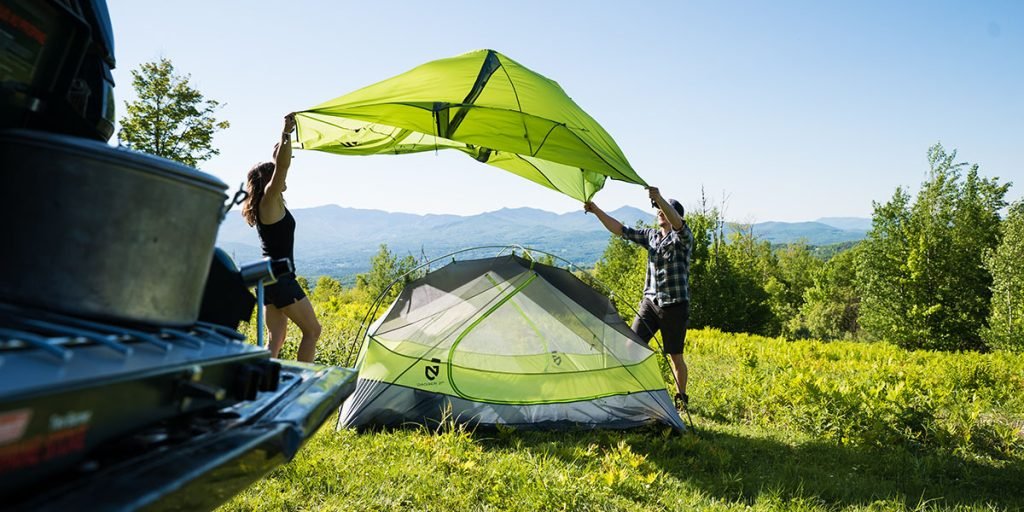
If you’ve ever tried setting up a tent in the rain, you know it’s important to get it done quickly. The longer you’re outside in the rain, the more soaked you’ll become. To speed things up, I always pitch my tent with the rainfly in place first. That way, I have some shelter while I continue setting up the rest of the tent. I try to work as efficiently as possible, but I’ve also found that patience is important in these situations.
If the rain is particularly heavy, I sometimes rig a large tarp over the tent as an extra layer of protection while I work. This helps to create a little more time to get things set up without everything getting drenched in the process.
Finding Shelter for Cooking
In rainy conditions, cooking can become more complicated. I learned quickly that cooking under a shelter or tarp is essential for keeping dry. If there are no built-in shelters at the campsite, I’ll set up a tarp between two trees or poles to create a dry space for my cooking area. I make sure the tarp is large enough to cover both my stove and myself, so I don’t have to huddle under the rain while cooking.
When it comes to cooking in the rain, I keep it simple. I’ve found that hot meals like soup, noodles, or pre-made freeze-dried food are easy to prepare and comforting on a wet day. If I’m making something that requires more time, I ensure that I’ve got a solid backup plan in case the weather doesn’t improve.
Staying Comfortable When Everything Is Wet
Rainy camping isn’t all about the gear—your mindset plays a huge role in your comfort. I used to dread rainy camping, but now I see it as an opportunity to experience something different. It’s all about embracing the rain and finding enjoyment in the process.
Embrace the Rain for a Unique Experience
I’ve found that rainy days offer a whole different experience compared to sunny days in the wilderness. The forest is quieter, and the rain creates a unique atmosphere that you won’t get on a clear day. I’ve had some of my best moments hiking through the rain, enjoying the soft mist around me and the fresh scent of wet earth. Once you’re out in the rain, you’ll find that it’s easier to focus on the beauty around you instead of the discomfort.
Keep Moving to Stay Warm
Staying active helps me avoid the chill that comes with being wet. When I camp in the rain, I make sure to keep moving, whether it’s going on a hike, setting up a new camp area, or even just gathering firewood (which can be tricky but fun in the rain). The physical activity helps to regulate my body temperature and keeps my mind occupied with something other than the soggy conditions.
Drying Off When You Get Back to Camp
When I get back to camp, it’s essential to dry off quickly to prevent getting cold. I change into dry clothes right away, and if there’s no fire, I use a portable camp heater or even a dry sleeping bag to help warm up. A good pair of thermal socks and a warm drink make a huge difference in staying comfortable after being out in the rain.
Conclusion
So, how to camp in the rain? It’s all about being prepared, staying positive, and embracing the experience. With the right gear, attitude, and a little patience, rainy weather can become just another part of the adventure. It can actually transform your camping trip into something more memorable. The sound of rain on your tent, the mist around the trees, and the peacefulness of a quiet, rainy day are experiences that sunny days just can’t replicate. So next time the forecast calls for rain, don’t cancel your plans—get ready to make some great memories in the wet weather!