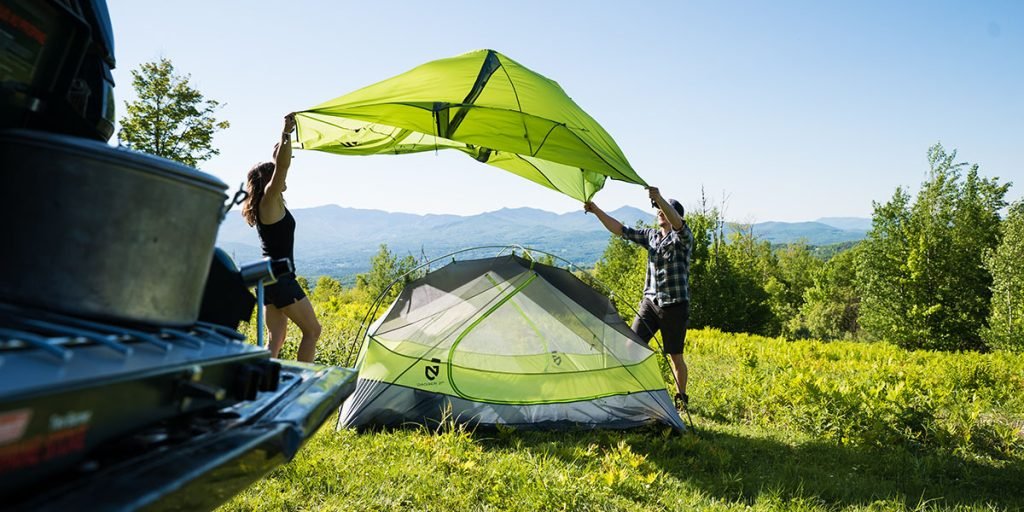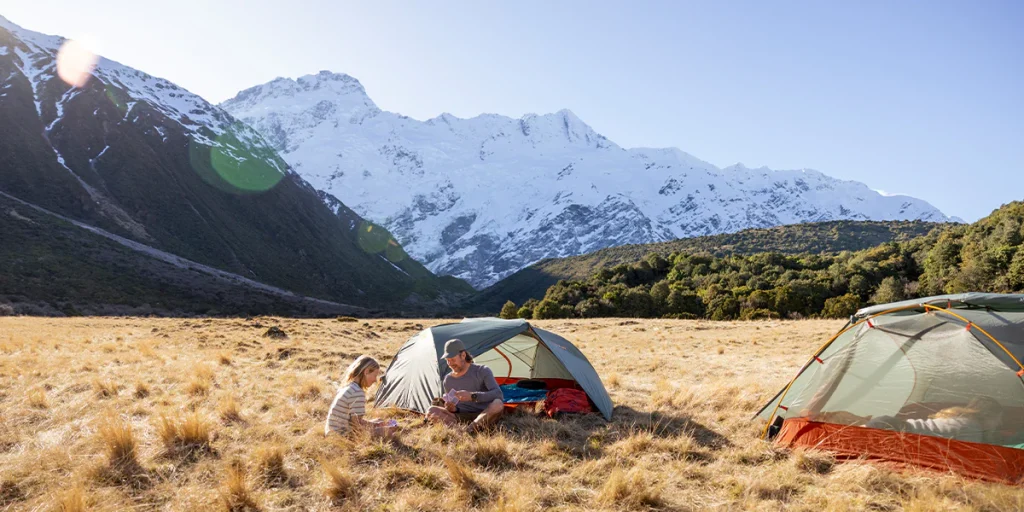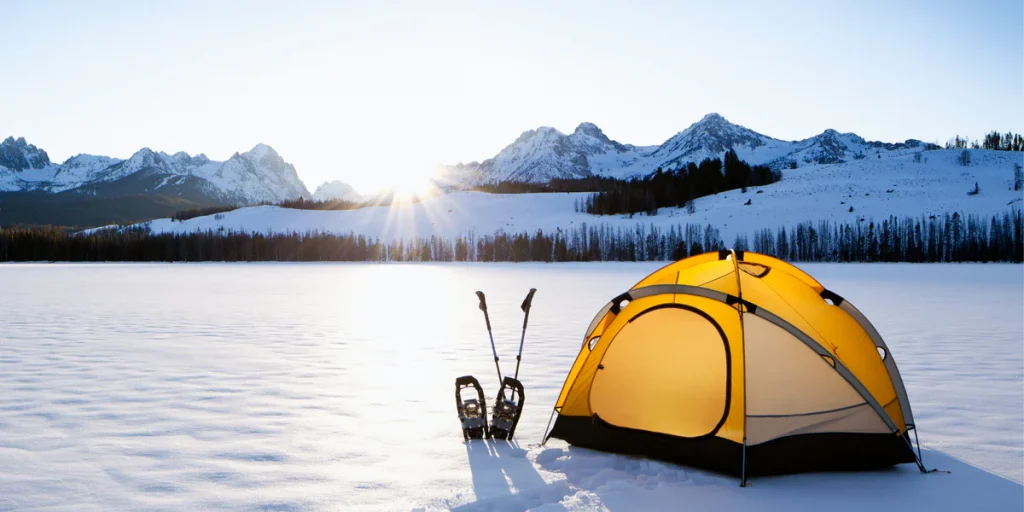
Winter camping can offer a unique experience unlike any other. While the cold might seem intimidating at first, it can be incredibly rewarding when done correctly. After multiple winter camping trips, I’ve learned the importance of preparation and the right techniques. In this article, I’ll share my best tips and tricks for winter camping success, which I hope will help you stay comfortable and safe while enjoying the beautiful winter landscape.
Proper Planning Is Key
The key to success in winter camping is preparation. The cold weather and the challenges it brings make it essential to plan ahead and make sure you have everything you need before heading into the wilderness. It’s important to think about your gear, the weather forecast, and the conditions you may encounter. In my early experiences, I often neglected some of these factors, which resulted in unnecessary discomfort. After learning from those mistakes, I now make sure to thoroughly prepare.
Choosing the Right Gear
When you’re venturing into cold temperatures, the gear you choose can make or break your experience. One of the first things to think about is your tent. It’s important to select a tent that is designed for winter conditions. A four-season tent is typically the best option for winter camping as it offers more insulation and can withstand harsher weather. These tents are built to handle the weight of snow and resist strong winds, which are common in winter. I personally switched to a four-season tent after a few rough nights in a three-season tent and the difference was significant.
The next most important gear is your sleeping system. I’ve learned from experience that regular sleeping bags won’t keep you warm enough during winter nights. I recommend using a sleeping bag rated for winter conditions, which are designed to insulate your body in subzero temperatures. Pair this with an insulated sleeping pad to ensure that the cold ground doesn’t rob you of warmth. Together, these items provide an excellent base for a good night’s sleep during the winter months.
Dressing Appropriately for the Weather
Another crucial element for winter camping success is staying warm by dressing in layers. I’ve found that layering is by far the most effective way to stay comfortable in cold weather. Rather than wearing one thick layer, which can restrict movement and become uncomfortable if you get too hot, layering allows you to adjust based on your activity level.
Base Layers for Maximum Comfort
The first layer you wear should focus on moisture-wicking properties. Cotton is a poor choice because it absorbs moisture and takes a long time to dry. Instead, opt for materials like merino wool or synthetic fabrics that pull moisture away from your skin and dry quickly. I find these base layers incredibly helpful when hiking or setting up camp because they keep me dry and warm throughout the day.
Insulation Layer for Heat Retention
Once your base layer is in place, the next layer should be focused on insulation. This is where materials like fleece and down jackets come in handy. The purpose of this layer is to trap heat and retain warmth. I’ve learned that while fleece is lightweight and great for staying warm during inactive periods, down is even more effective in extremely cold conditions. Both materials are highly compressible, which means they won’t take up too much room in your backpack either.
Outer Layers for Protection
Finally, your outer layer should be designed to protect you from wind, rain, or snow. I’ve found that a waterproof and windproof shell jacket works best in winter conditions. This layer will shield you from the elements and prevent moisture from entering your clothing. However, it’s equally important that your outer layer is breathable, so moisture from sweat can escape without being trapped inside your clothing. A well-designed outer shell is a lifesaver when the weather takes a turn for the worse.
How to Stay Warm and Energized
In winter, you’ll burn more calories simply staying warm, and that means it’s important to eat enough high-energy foods. I’ve discovered that when I neglect to pack enough food, I struggle to maintain my energy levels, especially on colder days when I’m moving slower.
Keep the Fire Going
One of the simplest ways to stay warm in winter camping is by using a campfire. Not only does a fire provide warmth, but it also serves as a great way to prepare meals and boost morale in the evening. I always make sure I know how to build a fire, even when conditions are wet. It’s also helpful to bring along fire starters like waterproof matches or a fire starter kit.
Fuel Your Body with Calorie-Dense Foods
To stay energized, it’s essential to pack food that is high in calories. Snacks such as trail mix, jerky, and energy bars are excellent options because they provide sustained energy without requiring refrigeration. For meals, I like to bring along freeze-dried food, which is lightweight, easy to cook, and packed with nutrition. It’s essential to keep eating regularly to maintain warmth and energy, especially if you’re hiking or engaging in physically demanding activities.
Safety First: Stay Vigilant
While winter camping can be an exciting adventure, it’s important to always keep safety in mind. The cold temperatures can quickly lead to dangerous situations if you’re not careful. One of the most important lessons I’ve learned is to be aware of the risks of frostbite and hypothermia. Being prepared to handle these risks is crucial for staying safe.
Monitor for Early Signs of Hypothermia
Hypothermia can develop quickly if you’re exposed to cold conditions for too long. I’ve learned to be on the lookout for early symptoms, such as shivering, confusion, and slurred speech. If you or someone in your group begins showing signs of hypothermia, it’s important to seek warmth immediately. This can mean getting into a sleeping bag, adding layers, or starting a fire to warm up.
Frostbite: Prevention and Treatment
Frostbite is another risk when camping in the winter. It usually affects extremities, such as fingers, toes, and earlobes. To prevent frostbite, always make sure your hands, feet, and head are properly covered. I find that wearing insulated gloves and socks is key. If you do begin to feel numbness or tingling, it’s important to take action by moving to a warmer place, rewarming the affected area gradually, and avoiding sudden rewarming, which can cause further injury.
Final Thoughts
With the right preparation, winter camping can be one of the most rewarding outdoor experiences. By following these tips and tricks for winter camping success, you can minimize risks and enjoy the beauty of the winter landscape without compromising your comfort or safety. From choosing the right gear to knowing how to stay warm and energized, proper planning is the key to a successful winter camping trip.