Camping has always been my go-to escape whenever I need to recharge. Being surrounded by trees, the quiet of a secluded forest, or the glow of a campfire under a full moon makes me feel more alive than anything else. But over the years, I’ve had a few nerve-racking run-ins with wildlife—especially snakes. These encounters taught me more than any manual could about staying safe in the great outdoors. So today, I’m diving into something every camper should know: how to keep snakes away from your campsite using smart, practical, and nature-friendly methods.
Why Snakes May Wander into Campsites
Before I figured out how to keep snakes away from your campsite, I had to understand what attracted them in the first place. Snakes are primarily motivated by survival, which means they’re constantly on the lookout for food, water, and shelter.
Campers unknowingly provide all of these if they’re not careful. Leftover food attracts rodents, which are a primary meal source for snakes. Water spills and open containers can draw them in during dry spells. And anything from a coiled-up hose to a sleeping bag left outside can seem like an inviting hiding spot. Once I became aware of these conditions, I realized most snake visits could be avoided with just a little forethought.
Keeping Everything Clean and Organized
One of the first and most important habits I adopted was maintaining a clean and orderly campsite. It might sound simple, but trust me—it goes a long way in keeping wildlife at bay.
Food Management Is Essential
I now store all of my food in airtight containers, and I keep them either locked in my vehicle or hoisted on a bear hang when I’m deep in the backcountry. Snacks, wrappers, and crumbs are never left out, even for a moment. When I prepare meals, I clean everything right away instead of waiting until morning. This one change drastically reduced visits from raccoons—and, indirectly, snakes.
Proper Waste Disposal
Trash is another thing that can draw the entire food chain to your site. I use heavy-duty bags and make sure to seal them tightly. When trash facilities aren’t available, I double-bag waste and store it away from where I sleep. I’ve also stopped burning food scraps in the fire, as the scent lingers and can still attract critters.
Choosing the Best Spot to Set Up Camp
Picking where to pitch my tent is no longer just about comfort—it’s a matter of safety. Location plays a big role in how to keep snakes away from your campsite, and I take it seriously now.
Steer Clear of Their Favorite Hangouts
I avoid setting up camp near tall grasses, thick underbrush, or rock piles. These are prime environments for snakes to hide and hunt. Flat, open ground with low vegetation gives me better visibility and fewer places for snakes to stay hidden. If I have to walk into the brush for firewood or supplies, I use a stick to gently move it aside before stepping in.
Camp Away from Natural Water Sources
Streams, lakes, and ponds can be beautiful and relaxing, but they also attract a wide range of wildlife. I’ve made it a rule to set up at least 200 feet away from any natural water. This reduces the chance of unexpected animal visitors—including snakes coming to drink.
Creating a Safe Perimeter Around the Tent
Building a safe environment around my sleeping area helps me sleep peacefully, even in areas where snakes are common. I’ve started doing a few things differently over the years to create a boundary.
Keep Gear Off the Ground
Back in my early camping days, I would leave boots and packs outside the tent overnight. Not anymore. I had one too many scares checking my boots in the morning. Now, everything stays elevated or inside the tent. Even my shoes go into a dry bag to keep them critter-free.
Consider Natural Deterrents
There’s a lot of debate about snake repellents, and I’ve tried my fair share. While I avoid chemical repellents that can damage the environment, I do occasionally use a natural spray made with clove, cinnamon, and cedar oils. I lightly mist the area around my tent. It’s not a miracle solution, but it does seem to make a difference.
Lighting, Movement, and Awareness
Snakes are usually shy creatures, and they’re more active at dusk or after dark. Staying aware and making smart adjustments to my routine helped prevent close encounters on more than one occasion.
Illuminate Your Surroundings
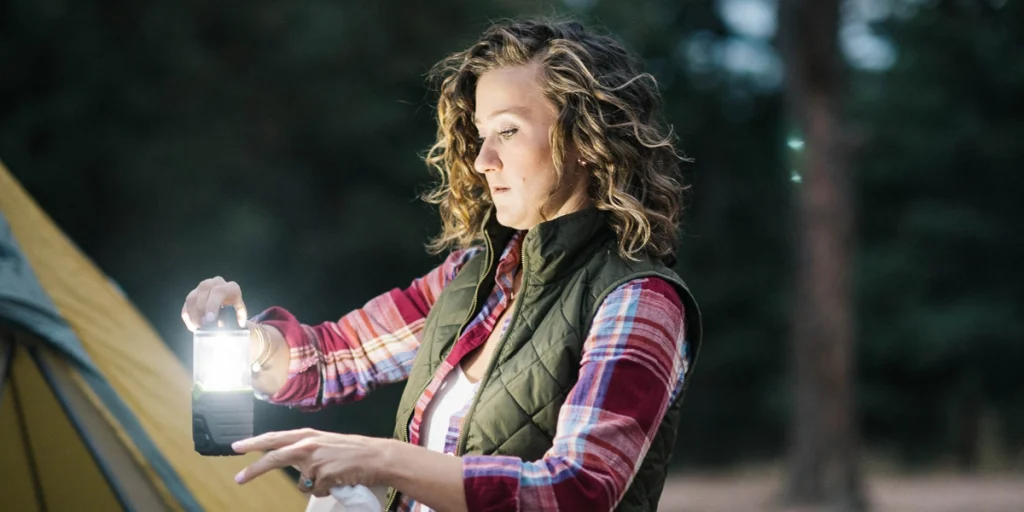
I hang lanterns and string lights around my tent and cooking area. This not only makes the campsite feel cozy but helps me keep an eye out for anything moving in the shadows. Headlamps also make it easier to scan the ground while walking at night.
Make Some Noise
While hiking or moving through thick brush, I make a bit of noise. The vibrations from walking and talking can alert snakes to my presence, giving them time to slither away before I get too close. I also keep a walking stick nearby to rustle leaves or tap logs before stepping over them.
If You’re Bringing Pets Along
Camping with a pet adds joy to the trip, but it also means taking extra precautions. Dogs, in particular, can unknowingly provoke a defensive snake if they get too curious.
Supervise and Protect Your Pets
I always keep my dog on a leash when we’re outside the tent. At night, he sleeps inside with me. I never leave him tied up or unsupervised, no matter how calm the site feels. I also carry a pet first-aid kit that includes supplies for dealing with bites, just in case.
Know Where the Nearest Vet or Clinic Is
Before any trip, I look up the closest animal hospital or ranger station. Knowing where to go if something happens brings peace of mind and can save precious time in an emergency.
Using Snake Fencing for Extended Stays
If I’m camping in an area known for snakes and plan to stay for several days, I sometimes bring portable snake fencing. It’s lightweight, folds flat, and is easy to set up. Creating a perimeter around the tent gives an added layer of protection, especially in dry, warm climates where snake activity is high.
Respect the Environment and Stay Calm
One of the most valuable lessons I’ve learned is that snakes aren’t out to get us—they’re just part of the wild world we choose to enjoy. Staying calm and using prevention techniques is much more effective than reacting out of fear.
If I ever do see a snake, I give it space. I don’t try to chase it off or kill it. Most of the time, it moves on its own once it knows I’m there. By respecting wildlife and being aware of my surroundings, I’ve learned how to coexist with all kinds of creatures.
Final Thoughts on Keeping Snakes at Bay
If you want to know how to keep snakes away from your campsite, the best thing you can do is stay proactive. Snakes aren’t interested in confrontation, but they will show up if you’ve unknowingly made your site attractive to them. By keeping everything clean, choosing your location wisely, creating a safe perimeter, and being alert during peak activity hours, you can dramatically lower your chances of an unwanted encounter.
Camping is about embracing nature—and that includes being responsible for our impact on it. With a few small adjustments and a bit of knowledge, I’ve been able to camp comfortably and confidently in areas I once avoided. I hope these tips help you enjoy your adventures just as much—without the slithering surprises.