Camping during the summer months has its perks—longer days, beautiful sunsets, and the freedom to explore. But let me be honest: sleeping inside a tent that feels like a sauna isn’t one of them. I’ve spent more than a few restless nights drenched in sweat, tossing and turning while the heat refused to break. Over the years, I’ve picked up several tried-and-true techniques on how to keep a tent cool without a/c, and I’m excited to share them here with you. From choosing the right location to using smart gear and timing your routine, there are a number of strategies that can truly make a difference.
Picking the Right Spot Makes All the Difference
Seek Out Shade, Not Just Scenic Views
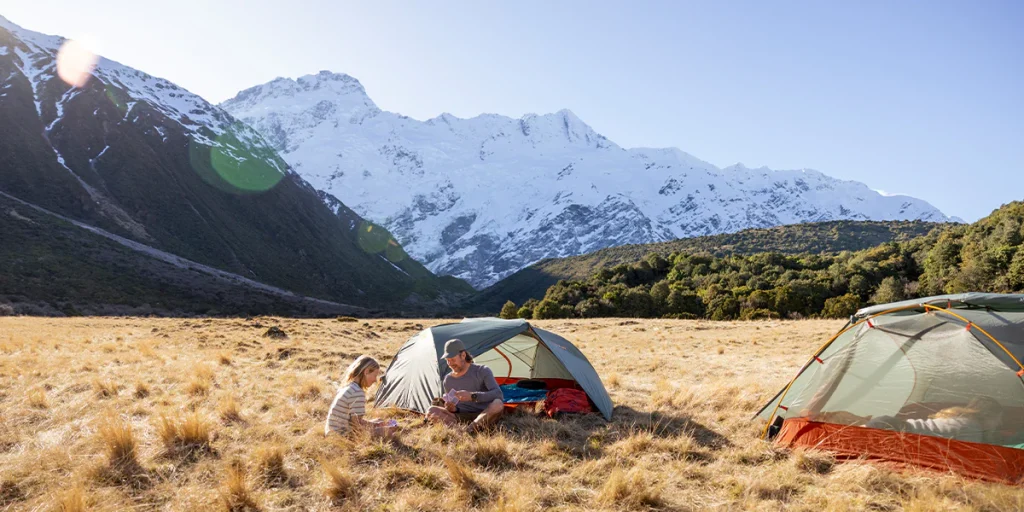
When I first started camping, I used to choose my tent location based solely on the view. I quickly learned that stunning vistas don’t offer much comfort when the sun is blazing overhead. Now, before I even unpack, I look for natural shade—dense tree cover, rocky overhangs, or anything that can block direct sunlight during the hottest parts of the day. Ideally, I want morning sun for warmth, but afternoon shade to keep things cool.
Position Your Tent to Catch the Breeze
One of the most important lessons I’ve learned about how to keep a tent cool without a/c is how much ventilation matters. Wherever possible, I pitch my tent facing the direction of the prevailing wind. Sometimes I use a bit of grass or toss a leaf in the air to see which way the breeze is going. When my tent is aligned with the airflow, I immediately feel the difference—it’s like having a natural fan at work all day long.
Choose a Tent That Breathes
Ventilation Should Be a Top Priority
Tents aren’t all built the same, and I found that out the hard way. The first few tents I used were more suited for winter—they were airtight, waterproof, and absolutely stifling in summer heat. Now, I look for tents designed specifically for warm weather. Mesh panels, roof vents, and doors with zippered screens are non-negotiables. These features allow hot air to escape while cooler air flows in, which helps prevent the tent from becoming a heat trap.
Go With Lighter Colors and Materials
Dark tents might look sleek, but they absorb and retain more heat. I’ve switched to tents made with light-colored materials, and it’s made a noticeable difference. Not only do they reflect more sunlight, but they also stay cooler longer. I also avoid overly thick fabrics unless rain or extreme weather is forecasted.
Use Tarps and DIY Shade to Your Advantage
Creating a Canopy Over the Tent
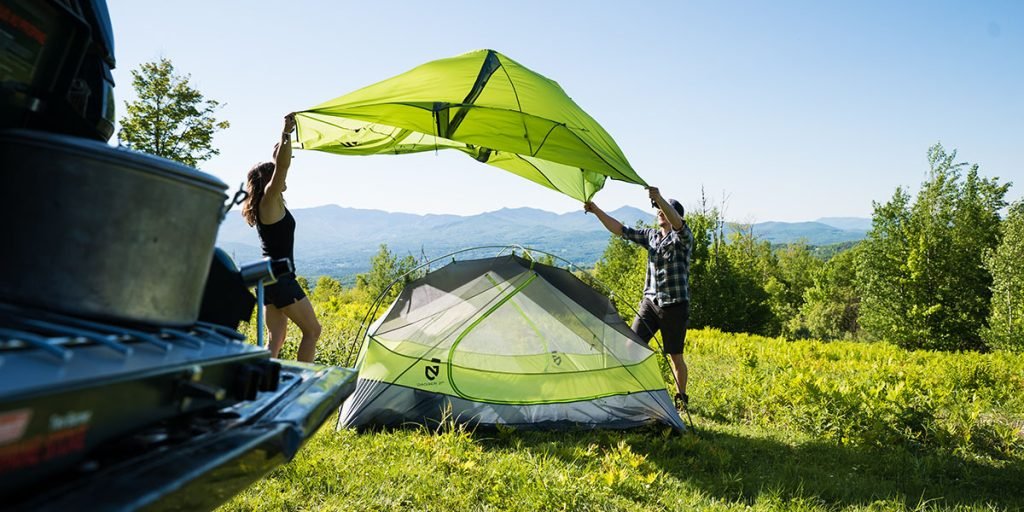
One of my favorite tricks is setting up a reflective tarp above the tent. It acts like a sun umbrella and helps deflect heat away from the tent’s surface. I tie the tarp between trees or poles, keeping it at least a foot or two above the tent to allow airflow underneath. The gap is key—it creates a shady pocket of circulating air that feels at least several degrees cooler.
Ground Tarps Help Too
It’s not just the sunlight from above you need to worry about. Heat from the ground can rise into your tent, especially on sunbaked earth. I always lay down a light-colored tarp beneath the tent floor, which helps form an insulating barrier and reflects some of the heat back toward the ground instead of into the tent.
Gear That Keeps You Comfortable
Battery-Powered Fans Are a Lifesaver
While I like to keep my camping setup simple, a small battery-operated fan has become an essential item on my packing list. I usually hang one from the ceiling loop inside the tent or place it near the foot of my sleeping area. Even a low-speed fan makes it easier to sleep, especially when there’s no natural breeze. I keep extra batteries or a solar charger handy to make sure it lasts through multi-day trips.
Use Frozen Water Bottles and Cooling Towels
Before I leave home, I freeze a few large water bottles and toss them in the cooler. At camp, I place them strategically inside the tent, usually near where I sleep. They gradually release cool air as they thaw, offering relief in the most direct and simple way possible. Cooling towels soaked in cold water are another secret weapon. I drape them over my neck or forehead when I’m really starting to overheat. They don’t take up much space, and they make a huge difference.
Dress Light and Sleep Smart
Sleep Systems for Summer
I used to bring the same sleeping bag on every trip, no matter the weather. That’s a mistake I don’t make anymore. When the forecast calls for heat, I ditch the traditional bag and go with a cotton sheet or ultra-light sleeping liner. On especially warm nights, I skip the bag entirely and sleep on a cot or foam pad that doesn’t trap heat. Elevated cots are great because they allow air to flow beneath you, which helps cool your body as you rest.
Pick Breathable Pajamas
Sleeping in the wrong clothes can ruin an otherwise well-prepared camp. I avoid thick materials like flannel or fleece and instead go for breathable, moisture-wicking fabrics. Loose shorts and a light t-shirt or tank top work best for me. I also make sure to change out of anything sweaty from the day’s hike—damp clothes can cling to your skin and make you feel hotter.
Timing Matters: Adjust Your Day for the Heat
Start Early and Rest During Peak Heat
During summer trips, I try to plan my most active tasks—like hiking, cooking, or gathering firewood—in the morning or late evening. Between 12 and 4 p.m., I focus on staying still, shaded, and hydrated. I use that time to read, write in my journal, or nap in a hammock under a tree. Keeping out of the tent during the day also ensures it doesn’t heat up with my body heat added to the mix.
Rehydrate Constantly
It’s easy to underestimate how much water you need when camping in the heat. I carry a large water jug at my campsite and refill my bottle every hour or two. Staying hydrated helps regulate body temperature and prevents dizziness or heat exhaustion. I also bring along electrolyte tablets just in case—it’s an easy way to replenish lost salts from sweating.
Use Nature to Your Advantage
Camp Near Water for Natural Cooling
One of my favorite ways to stay cool while camping is to set up near a lake, river, or stream. Not only do you get a lovely view, but the breeze coming off the water tends to be cooler. I’ll even take a quick swim before bedtime to lower my body temperature before heading into the tent. It’s a refreshing and effective trick that makes falling asleep much easier.
Utilize Natural Wind Tunnels
If I’m camping in the hills or mountains, I pay attention to how the terrain channels the wind. Sometimes, setting up in a small valley or next to a rock formation can either block or funnel breezes. With a little awareness of your surroundings, you can take full advantage of what nature has to offer when it comes to staying cool.
Final Thoughts
Camping in hot weather doesn’t have to mean sleepless nights and sticky mornings. I’ve learned through trial and error that a combination of good planning, the right gear, and a few practical tricks can make a huge difference. If you’re wondering how to keep a tent cool without a/c, remember that it’s not about high-tech gadgets—it’s about being intentional with every step, from where you pitch your tent to what you wear to bed.
Now, I feel confident heading out even during the hottest days of summer. With these strategies in mind, you too can embrace warm-weather camping without sacrificing comfort or sleep. And trust me—there’s nothing like waking up to a cool morning breeze after a night of restful sleep under the stars.