First Things First — Is Tent Camping Actually Safe?
If you’ve typed “is tent camping safe” into Google at 11pm while planning your first family trip, you’re not alone. Honestly, it’s one of the most common things Gold Coast mums ask before their first overnight in a tent with the kids.
The short answer? Yes. Tent camping is genuinely safe for families — including mums heading out solo with little ones. The longer answer is that a bit of preparation makes all the difference between a trip that feels stressful and one that feels completely manageable.
This guide walks you through what actually matters: choosing the right campsite, setting up your tent so everyone feels secure, and the small practical habits that help you sleep soundly even when you’re in an unfamiliar place.
Why the Anxiety Is Normal (and What Actually Helps)
A tent feels different from a house. There’s no front door to lock, no deadbolt, no alarm system. That unfamiliarity can trip the anxiety switch in even the most experienced camper’s brain — so if you’re feeling it, you’re not being silly.
The good news is that camping in Australia, especially at managed Queensland campgrounds and family-friendly glamping spots, is remarkably low-risk. Most campsites are full of other families just like yours. Camp neighbours tend to be friendly, kids run freely between sites, and the culture is genuinely community-minded.
What actually helps most mums feel confident isn’t more gear — it’s knowledge and a good setup. Once you know how to pick the right spot and organise your tent thoughtfully, the anxious feeling tends to shrink pretty quickly.
If your main worry is getting everyone comfortable and actually sleeping through the night, it’s also worth reading our guide on keeping kids warm camping without electricity — warmth and sleep comfort go hand in hand with feeling secure.
Choosing a Safe Campsite — What to Actually Look For
Your campsite choice does more for your peace of mind than any amount of gear. Here’s what to prioritise when you’re browsing options for your Queensland family camping trip.
Go for Managed Campgrounds Over Remote Bush Camping
Especially for your first few trips, stick to established campgrounds with facilities. Queensland National Parks campgrounds, BIG4 parks, and managed holiday parks all offer the basics — flushing toilets, hot showers, lighting near amenities — that make a huge difference when you’re camping with kids.
Lamington National Park, just 50 minutes from the Gold Coast, is a brilliant example. It has 24 powered and unpowered sites, hot showers, a camp kitchen, and easy rainforest walks — all the makings of a stress-free family stay. Queensland National Parks has a handy camping guide covering family-friendly spots across QLD if you’re still planning your destination.
Check for These Campsite Safety Features Before You Book
- Security gate or perimeter fencing
- Good lighting near toilets and communal areas
- Responsive camp hosts or rangers on site
- Reviews from other families — search Google or Facebook camping groups
- Clear mobile phone reception or an emergency contact point
If you’re weighing up specific QLD glamping options — including which sites offer the best facilities without the resort price tag — our Thunderbird Park review covers exactly that for the Scenic Rim.
Pick Your Spot Thoughtfully Within the Campground
Once you’re on site, your pitch placement matters too. Set up close to the amenities block — it makes night trips far less daunting. Try to position yourself where other families are nearby, not off on a secluded edge. Being able to hear your camp neighbours snoring is actually reassuring.
Avoid pitching directly under large gum trees (falling branches are a real risk in windy Queensland weather) and stay away from creek banks or drainage areas that flood in a downpour.
Setting Up Your Tent for a Secure, Cosy Space
Your tent is your home away from home for a few nights. Getting the setup right helps the whole family settle in faster — and helps you relax once the kids are asleep.
Start With a Quality Family Tent
A decent tent doesn’t have to break the budget, but it needs to do its job in Queensland’s variable weather. Look for a tent rated for at least 2000mm hydrostatic head (that’s water resistance), with a full rainfly that extends to the ground. Anaconda and BCF carry solid mid-range options, and Coleman’s instant up tent makes a quality and easy family tent very affordable
Tip: Set up the tent at home in the backyard the week before your trip. Kids who’ve slept in the tent in their own garden approach the campsite with far less anxiety — and so do mums.
Stake It Properly
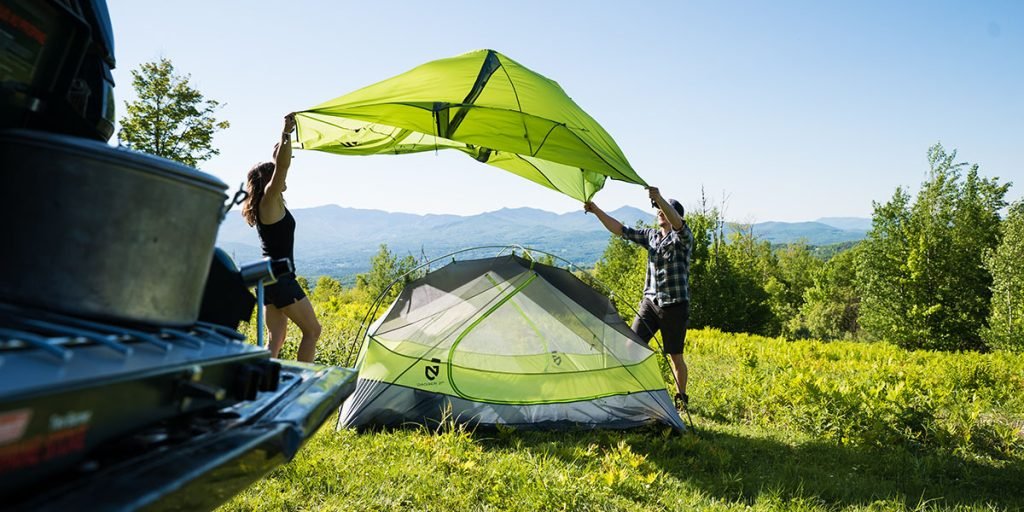
A tent that lifts or collapses in the night is unsettling for everyone. Always use all the stakes provided and drive them in at an angle facing away from the tent. If you’re in Queensland’s hinterland or coastal areas during storm season, add the guylines too — they take two minutes and make a real difference.
Use a Groundsheet or Tent Footprint
A groundsheet under your tent protects the floor from moisture, sharp objects, and Queensland’s many crawlies. It keeps the base of your tent in much better condition and adds an extra barrier between your sleeping family and the ground
Keep the Tent Zipped at All Times
This is the single most important habit in Australia. Snakes, spiders, and insects can enter an open tent surprisingly quickly — and once they’re in, the situation is far more stressful than if you’d just kept it zipped. CPR Kids recommends always keeping tents and sleeping bags closed, and shaking out bedding before anyone climbs in.
Make it a non-negotiable house rule for the kids from day one: tent doors stay zipped unless someone is coming in or going out.
Sleeping Securely — Night Routines That Make a Difference
Once you’re set up and the sun goes down, the main job is making sure everyone actually rests. Here’s what works for families camping in Queensland.
Do a Quick Evening Campsite Check
Before it gets dark, take five minutes to walk the perimeter of your site. Move any food scraps, check that gear is stowed, and take note of where the nearest toilet and emergency contact point are. Doing this while it’s still light means you won’t need to navigate unfamiliar ground in the dark.
Store All Food Securely Away From the Tent
Food in or near the tent is the number one reason wildlife visits your campsite overnight. In Queensland, you’re dealing with possums, rats, goannas, and the occasional carpet python rather than bears — but the principle is the same. Keep all food, wrappers, snacks, and scented toiletries in your car or a hard-sided cooler with a latching lid.
This isn’t about fear — it’s just good campsite manners, and it makes the night a lot quieter.
Create Familiar Comfort for the Kids
Children settle faster when they have something familiar to anchor them. Bring their usual pillow, a favourite soft toy, or a small comfort blanket. A battery-powered nightlight inside the tent helps kids feel safe without lighting up the whole campground — and it makes middle-of-the-night toilet trips with a half-asleep four-year-old much less chaotic
Sort the Sleeping Bag Situation
Cold kids don’t sleep. And a child who wakes at 2am because they’re freezing will wake everyone else too. A sleeping bag rated to at least a few degrees below the overnight temperature is worth every cent. Our guide to the best sleeping bags for kids covers warm, comfortable options at different price points, including budget picks from Kmart that genuinely work.
Keep a Torch or Headlamp Within Reach
Pop a small headlamp inside the door pocket of your tent before you go to sleep. If you need to get up quickly — for a toilet run, a noise outside, or a child who’s scared — you’ll reach it without fumbling.
Australian Wildlife — What to Know and What to Relax About
This is the big one for a lot of mums camping in Queensland for the first time. Yes, we have snakes. Yes, we have spiders. Here’s the practical reality.
Snakes
Snakes are active in warmer months and genuinely want nothing to do with you. The key is giving them no reason to come close. Set up camp in a cleared, open area away from wood piles, long grass, and fallen logs. Always zip the tent. Shake out shoes and sleeping bags before use. Teach kids not to reach under rocks or logs.
If you encounter a snake, stay calm, move away slowly, and give it space to leave. Expedition Australia’s snake-free tent guide has practical advice on campsite setup that minimises encounters.
Spiders
In South East Queensland, the spiders worth being aware of are the redback and the funnel-web. Both are avoidable with simple habits: keep the tent zipped, store gear in lidded containers, check inside shoes before putting them on, and wear closed-toe shoes in long grass. Wildlings Forest School’s spider safety guide is a great resource to read through with kids — it makes the conversation educational rather than scary.
Insects
Mozzies are the most common night-time nuisance. A good insect repellent applied before dusk, and long sleeves for evening around camp, handles most of it. Some mums also add a mosquito net for the kids’ sleeping area inside the tent — particularly useful for babies and toddlers
What to Pack for Peace of Mind
You don’t need a lot of extra gear to feel secure. A few key items make a real difference.
- Fully charged power bank — so your phone has battery for emergencies
- First aid kit with snakebite bandages — available at Chemist Warehouse or BCF. CPR Kids recommends also downloading the Bites and Stings app and Emergency Plus before you leave.
- Emergency Plus app — free to download, gives your GPS coordinates to emergency services
- Headlamp per person — not just the kids, you too
- Mosquito repellent and insect net for littlies
- Snap-lock containers for food storage
- A comfort item for each child — pillow, soft toy, nightlight
For a full list of what to bring on your first family camping trip, our DIY glamping on a budget guide has a practical rundown of what to prioritise when you’re starting from scratch.
You’ve Got This — Really
Tent camping with kids in Queensland is one of those experiences that sounds more daunting in your head than it is in practice. The families who’ve done it once almost universally come back for more.
The biggest thing that helps? A campsite that feels manageable, a tent that’s set up properly, and knowing a handful of simple habits before you go. After that, most of the anxiety fades on its own — usually somewhere around the time the kids are roasting marshmallows and refusing to go to bed.
If you’re looking for the perfect first destination, our QLD Glamping Reviews cover some brilliant family-friendly spots across the Scenic Rim, hinterland, and Gold Coast region — including options that feel a lot more comfortable than a bare bush camp for first-timers.