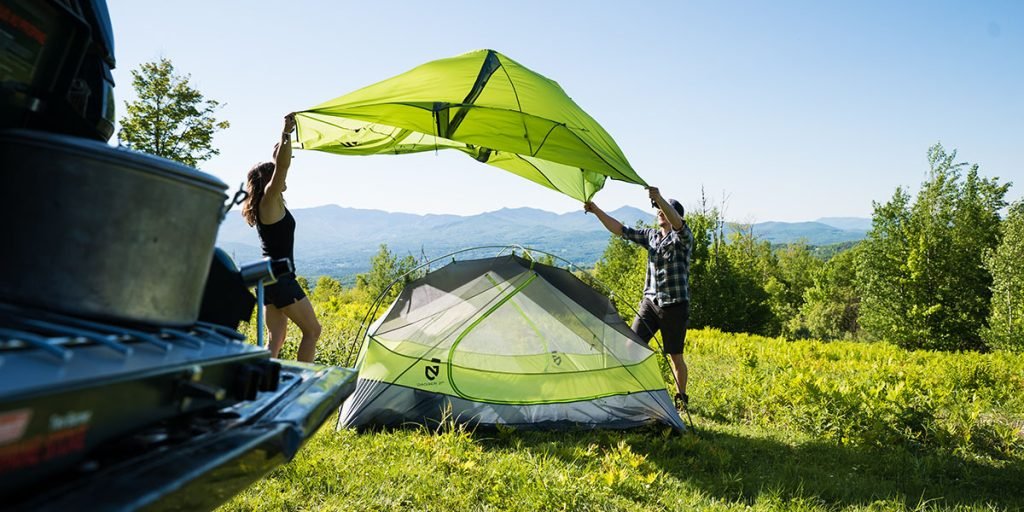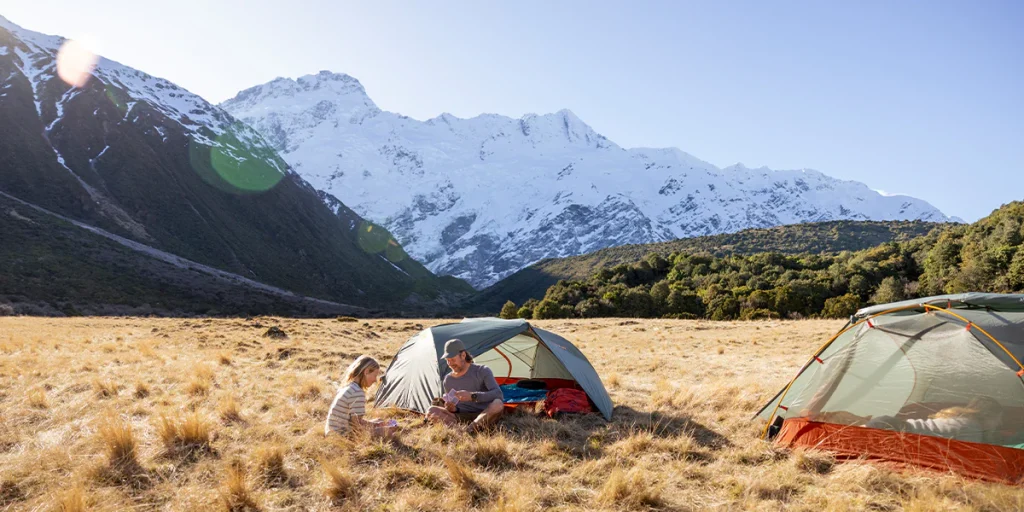
As someone who enjoys camping, I’ve spent many nights in the great outdoors, relying on my tent for shelter and comfort. Over time, however, I’ve come to realize that tents don’t last forever. After several camping seasons, my trusty tent started showing signs of wear, and that’s when I began to understand how to tell when it’s time to replace your tent. It’s not always easy to part with something that’s been with you through many adventures, but there comes a time when a new tent is necessary for your safety, comfort, and peace of mind.
When you’re out in the wilderness, your tent is your refuge from the elements. It’s where you retreat after a long day of hiking, a place to rest and recharge. But like any piece of outdoor equipment, tents are subjected to wear and tear. After all, a tent is exposed to rain, wind, UV rays, dirt, and more, which takes a toll over time. So how do you know when it’s time to replace your tent? If you’re unsure, here are a few signs to help you make that decision.
Inspecting the Fabric: Look for Signs of Wear
When I’m considering how to tell when it’s time to replace your tent, one of the first things I check is the condition of the fabric. Tent fabric is designed to withstand various weather conditions, but it doesn’t last forever. Over time, it can start to degrade, especially if it’s been exposed to constant sunlight. UV rays break down the material, weakening its fibers and reducing its durability. Additionally, regular exposure to the elements can cause the fabric to lose its water-resistant properties.
If you notice visible rips, holes, or thin spots, these are clear signs that your tent’s fabric has been compromised. You might be able to patch small tears, but if the damage is extensive, the tent may no longer offer the protection it once did. A fabric that’s too thin or damaged won’t be able to keep you dry or safe from the elements, which is why it’s important to replace it when it reaches this point. I’ve personally had tents that lost their waterproof coating after several seasons of use, and once the fabric started breaking down, I knew it was time for a replacement.
The Water Resistance Is Gone: Time for a New Tent
One of the most important features of a tent is its ability to protect you from the rain. Most tents come with a waterproof coating or a water-resistant finish that keeps the rain from soaking through. However, this protective layer wears off with time, especially after repeated use. You can usually tell when this happens by noticing how the fabric behaves during a rainstorm. If water begins to pool on the surface of the fabric or seep through the seams, it’s a strong indicator that your tent’s waterproofing has failed.
I’ve experienced this firsthand when a light drizzle turned into a torrential downpour during a camping trip. By morning, I had water inside my tent, and my sleeping bag was soaked. When the water resistance is no longer effective, your shelter won’t do its job, and you’ll be left unprotected. That’s when you know it’s time to replace your tent. While you can reapply waterproofing sprays or seam sealers, these fixes won’t work if the fabric is too far gone, making a replacement the best option.
Damaged or Bent Tent Poles: Structural Integrity Matters
The poles of your tent are crucial for providing structure and stability. Without them, your tent wouldn’t stay upright, and you’d have no shelter at all. Tent poles are made to withstand the elements, but they can get bent, cracked, or broken over time. If you notice that your tent poles no longer hold their shape or they have visible cracks or bends, it’s time to consider replacing your tent.
I’ve encountered issues with tent poles several times, especially after windy camping trips. Tent poles can become weakened or warped from the strain, which affects the overall performance of the tent. You might think that replacing a single pole will fix the problem, but often the damage extends beyond just one pole. If your poles are seriously damaged or you can no longer trust them to keep your tent standing, then replacing the entire tent is your best bet. After all, a collapsed tent doesn’t do much to protect you from the elements.
Zipper Problems: A Minor Issue with Major Consequences
Zippers are one of those parts of a tent that we take for granted until they stop working. Whether it’s a stuck zipper, a broken zipper pull, or a zipper that no longer closes properly, zipper problems can severely affect the functionality of your tent. I’ve had many frustrating moments when a zipper wouldn’t close properly, allowing insects and moisture to get inside, making for an uncomfortable night. While you can try lubricating the zippers or replacing the zipper pulls, sometimes the issue goes beyond just a simple fix.
If your zippers are constantly getting stuck or failing to zip the tent completely, it’s a sign that they’re wearing out. You may be able to repair them temporarily, but when the zippers are beyond saving, it’s time to replace your tent. A broken zipper can render your tent useless, especially if it’s the main entrance or ventilation opening. Trust me, I’ve learned the hard way that dealing with zipper problems in the middle of a camping trip is a hassle you don’t want to face.
Outgrowing the Tent: When You Need More Space
Your tent needs may change over time, and this is a factor in knowing how to tell when it’s time to replace your tent. When I first started camping, I had a small two-person tent that worked fine for short trips. However, as my camping style evolved, I found myself wanting more space for myself, my gear, or my family. If your tent feels cramped or doesn’t meet your current needs, it might be time to upgrade to a larger, more comfortable model.
A tent that’s too small can make your camping experience uncomfortable, especially during long trips. It’s important to choose a tent that offers enough space for you and your gear to stay organized and dry. If you’ve outgrown your current tent, don’t hesitate to invest in a larger model that better suits your needs. A bigger tent can make a world of difference when it comes to comfort, and you’ll enjoy your trips much more when you have ample space.
Outdated Features: Modern Tents Offer More Convenience
Camping gear continues to evolve, and newer tents often come with improved features that make camping more convenient and enjoyable. If your tent lacks modern upgrades like better ventilation, improved materials, or more convenient entrances, it might be time to consider a replacement. Over the years, I’ve learned that having a tent with features like better air circulation or extra storage pockets can significantly improve my experience.
If your tent doesn’t have the latest features or if it’s missing things you now value, it may be time for an upgrade. A new tent can offer improved performance in all weather conditions and provide features that make your camping trip more comfortable and efficient. Don’t let outdated features hold you back from having the best possible camping experience.
Conclusion: Time for an Upgrade
Knowing how to tell when it’s time to replace your tent is essential for ensuring that your camping adventures remain safe and enjoyable. Whether it’s the fabric, the waterproofing, the poles, or the zippers, wear and tear is inevitable. However, by paying attention to these signs and replacing your tent when necessary, you’ll always have a reliable shelter to retreat to during your outdoor trips. When your tent can no longer keep you dry, stay upright, or offer the comfort you need, it’s time to invest in a new one. Your future camping experiences will thank you for it.