When I first decided to try camping, I didn’t know where to begin. The overwhelming number of gear options made it difficult to determine what I actually needed. But over time, I figured out how to choose the best camping gear for beginners by breaking things down and focusing on the basics. Whether you’re planning a weekend getaway or a longer adventure, knowing the right gear to pack is essential for a successful trip. In this article, I’ll share everything I learned from my own experiences, from selecting the right gear to understanding the necessities of outdoor exploration.
Assess Your Needs
Before jumping into shopping for gear, I quickly realized that it’s important to assess what I actually needed. Everyone camps differently, and understanding your preferences and style will make gear selection much easier. Are you planning to drive to your campsite, or will you be hiking to a more remote location? Are you camping in warmer weather or colder conditions? By answering these questions, I could figure out the gear that best suited my needs and avoid wasting money on unnecessary items.
Types of Camping
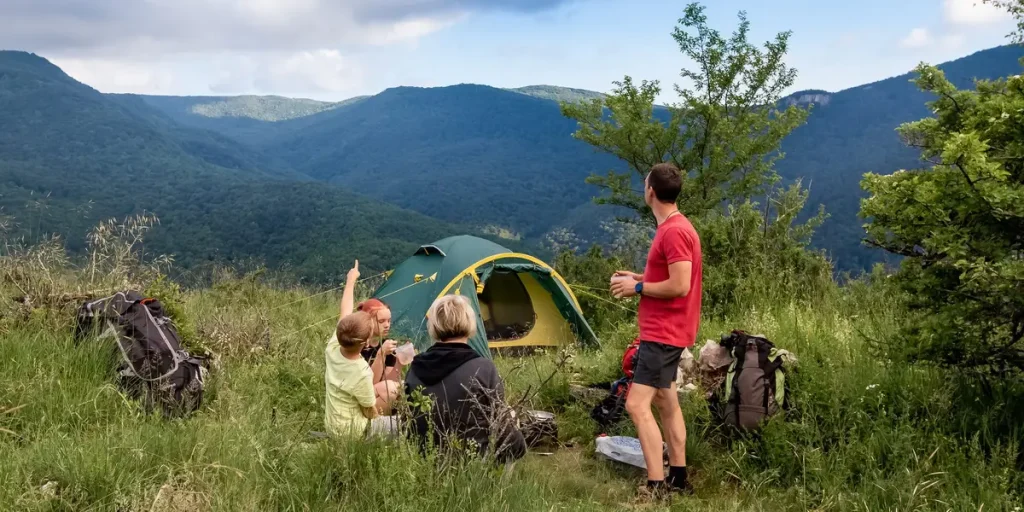
There are different types of camping experiences, from car camping to backcountry camping. For beginners, I recommend starting with car camping because it’s easier to manage your gear and gives you the chance to get used to the camping experience. I learned that having easy access to your gear can be very reassuring when you’re just starting out.
On the other hand, if you want a more rugged experience, backpacking might be for you. Backpacking requires lightweight gear and the ability to pack everything into a manageable bag. Think about how far you’ll be walking and how much you’re willing to carry.
Climate and Weather
Your camping destination’s weather will also play a big role in how to choose the best camping gear for beginners. A lightweight tent that’s great for summer won’t provide the same level of warmth and protection in the winter. I learned the hard way that it’s better to plan for unexpected weather. A three-season tent, for example, is perfect for spring, summer, and fall trips, while winter camping will require a four-season tent designed to withstand snow and strong winds.
If you’re unsure about the weather, packing for versatility is a good idea. For instance, even if the forecast is warm, a rain jacket and layers are always a wise investment.
Start with the Basics
After figuring out what type of camping you’re doing and the weather conditions you’re likely to face, the next step is choosing your essential gear. These are the basics every beginner needs, regardless of experience level. From my own experience, I’ve learned that focusing on the fundamentals first makes camping far more enjoyable and prevents unnecessary spending on extra gadgets you may not need.
When you’re starting out, choosing the right gear can still feel overwhelming — but having the right foundations makes a huge difference. The camping essentials below are items we personally recommend because they offer a good balance of comfort, reliability, and value. They’re beginner-friendly, suitable for family camping trips, and a great place to start before upgrading or adding more specialised gear.
Recommended Camping Essentials for Beginners
-
 Family-friendly camping tent – easy to set up, weather-resistant, and spacious enough to stay comfortable on your first few trips
 -
Kids’ sleeping bag option – warm, lightweight, and designed to keep younger campers cosy through the night
-
Reliable headlamp with good battery life – hands-free lighting that’s perfect for setting up camp, cooking, and night-time bathroom trips
-
Compact camping stove for simple meals – beginner-friendly, portable, and ideal for quick, fuss-free campsite cooking
Starting with these basics helps you focus on enjoying the experience rather than worrying about your gear — you can always upgrade or add extras as you become more confident with camping.
Tent Selection: Your Shelter for the Night
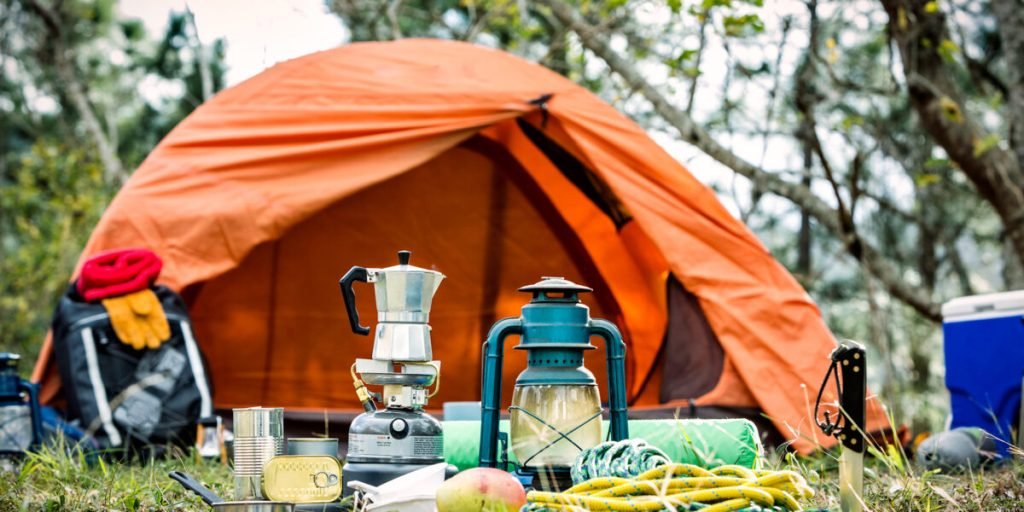
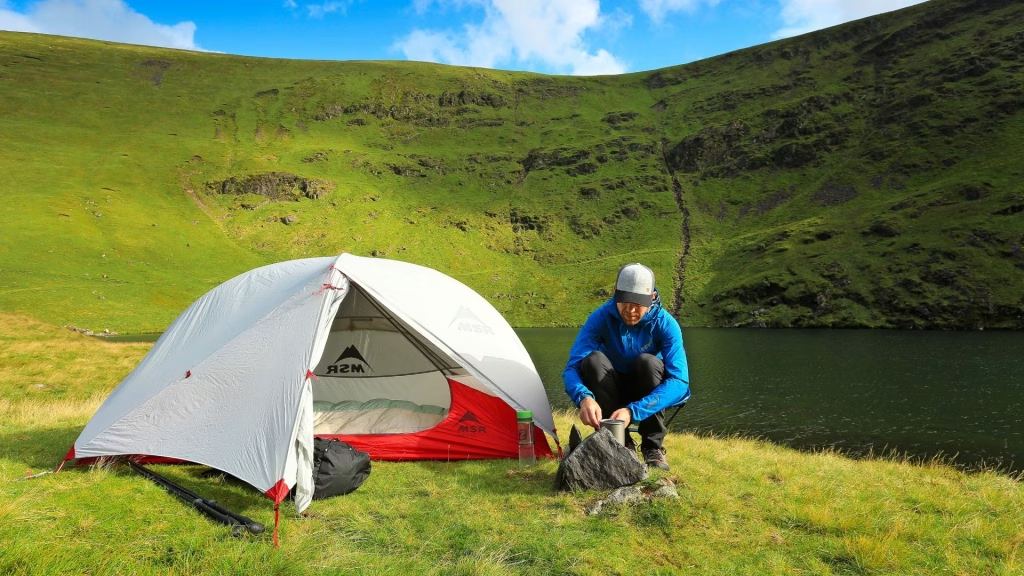
A tent is the foundation of your camping experience. This is where you’ll sleep, store your belongings, and find shelter from the elements. When I started camping, I found that the size and design of a tent were key considerations. If you’re camping alone, a small two-person tent may be sufficient, but I found that choosing a tent with extra space can make a huge difference in comfort. If you’re with a partner or family, a larger tent will give everyone more room to move around.
Choosing a durable, easy-to-assemble tent is also essential. My go to tent is instant pop up tent which only takes few minutes to set up. I made the mistake of buying a cheap tent that took too long to set up and didn’t stand up to the wind. I now opt for a freestanding tent, which is simple to pitch and can be relocated if needed. If you’re unsure where to start, check out our guide on choosing the right family camping tent.
Sleeping Bag and Pad: Comfort and Warmth
After your tent, the next most important gear is your sleeping bag. I learned that a sleeping bag’s temperature rating is crucial, especially when camping in areas with cooler temperatures. A bag rated for 20°F will keep you warm in colder climates, while a 40°F bag is perfect for mild summer nights. Be sure to check the weather of your destination to choose a bag with the right rating.
A sleeping pad is just as important. It provides insulation and cushioning from the ground, making a huge difference to your comfort. I opted for an inflatable sleeping pad for extra padding, but foam pads are lightweight and compact if you’re looking to save space. You can also read our full guide on choosing the best sleeping setup for family camping.
Cooking Gear: Fuel for Your Adventure
Cooking while camping can be a fun and rewarding experience, but it’s important to pack the right cooking gear. A portable stove is essential for preparing meals. When I first started camping, I went for a compact butane camping stove, which worked perfectly for quick meals. I also invested in lightweight cooking pots and utensils that stack neatly in my pack.
If you’re new to camping, focus on packing easy-to-make meals that require minimal preparation. Instant oatmeal, dehydrated meals, and pre-cooked rice are just some of the convenient options I’ve enjoyed while camping.
Lighting: See the Night
One of the first things I learned was that lighting is an essential part of camping. Without light, it’s difficult to set up camp or navigate your surroundings after the sun sets. I now always pack a reliable headlamp. A headlamp is perfect for hands-free tasks like cooking, setting up your tent, or reading at night. If you prefer a lantern, make sure it provides enough brightness for your campsite and is durable enough for outdoor conditions.
Extra Essentials for Comfort and Safety
While the basics are crucial, there are other items that I now consider essential for every trip. These items enhance your overall comfort and safety, especially when camping for longer periods.
Clothing: Dress for Comfort
Layering is key to staying comfortable outdoors, and I’ve learned this firsthand. Start with moisture-wicking base layers to keep sweat away from your skin, then add insulating layers for warmth, and top it off with a waterproof jacket to protect against the elements. I recommend packing an extra pair of socks and underwear as well because things can get damp quickly.
Proper footwear is another important consideration. I always choose comfortable hiking boots with good ankle support. Depending on the terrain, waterproof boots may also be necessary to keep your feet dry and comfortable.
Backpack: Carrying Your Essentials
When you’re out in nature, having a good backpack is essential. I personally recommend starting with a 40-50L backpack for weekend trips. These backpacks are large enough to carry all of your essentials but are small enough to be manageable. A well-fitting backpack is crucial for comfort, so make sure the straps are padded and adjustable.
First Aid Kit: Be Ready for Anything
Accidents can happen anywhere, and camping is no exception. I always bring a first aid kit with bandages, antiseptic, tweezers, and pain relievers. Having these supplies on hand gives me peace of mind knowing that I can handle minor injuries quickly and safely.
Conclusion
When I first started camping, choosing the right gear was one of the biggest challenges I faced. But after considering the type of camping I was doing and focusing on the essentials like a tent, sleeping bag, and cooking gear, I quickly learned how to choose the best camping gear for beginners. By understanding your needs, preparing for different weather conditions, and selecting quality gear, you’ll be well on your way to having a memorable and enjoyable camping experience. Don’t rush the process—take your time, plan ahead, and you’ll soon be ready for your next adventure!