My first time camping was an unforgettable mix of excitement, confusion, and trial-and-error. I didn’t grow up camping, so I had to learn everything from scratch—how to pitch a tent, cook outside, and survive without running water. If you’re just starting out, there’s a lot to learn, but don’t worry—I’ve made plenty of beginner mistakes, and I’m here to help you avoid the same ones. In this guide, I’ll share the essential dos and don’ts for camping beginners based on what I’ve learned out in the wild.
Choose an Easy Destination for Your First Trip
When you’re just starting out, it’s tempting to aim for a bucket list destination far from civilization. But if you’re new to camping, it’s better to pick a well-established campground that’s not too remote. My first few trips were to state parks with restrooms, water access, and nearby stores. It made the experience much smoother and far less intimidating. You don’t need to prove anything—ease into the lifestyle.
Don’t Load Up on Fancy Gear
One mistake I see a lot of new campers make is thinking they need to buy every high-tech gadget before they even hit the trail. Trust me, you don’t need a solar-powered oven or a top-of-the-line GPS watch right away. I started with secondhand gear and slowly upgraded as I figured out what I truly needed. Focus on the essentials: a solid tent, sleeping bag, sleeping pad, and a basic cooking setup.
Practice Setting Up at Home
I can’t stress this enough—before your first trip, pitch your tent in the backyard or your living room. Doing a dry run helped me understand how my gear worked and gave me confidence when I got to the campsite. The first time I set up camp, I was grateful I’d practiced at home. I didn’t waste time figuring things out with the sun going down and bugs biting.
Don’t Ignore the Weather Forecast
I once went camping without checking the forecast, and I ended up stuck in a rainstorm with no tarp and a soggy sleeping bag. Lesson learned. These days, I always look at the weather for a few days ahead and pack accordingly. Even if it looks sunny, I bring rain gear, warm clothing for nighttime, and waterproof bags for valuables. Conditions can shift quickly outdoors, so it’s better to be over-prepared than caught off guard.
Keep Meals Simple and Satisfying
Another core part of the dos and don’ts for camping beginners is mastering easy campsite meals. Early on, I ambitiously packed ingredients for gourmet campfire meals but had no idea how to prepare them with minimal tools. Now, I stick to tried-and-true options like pasta, sandwiches, rice dishes, and instant oatmeal. They require fewer ingredients, are easier to clean up, and still fill me up after a long day.
Don’t Leave Food or Trash Outside
On my second trip, I made the rookie error of leaving snack wrappers out overnight. The next morning, I found my campsite ransacked by raccoons. Not only is this a nuisance, but it also creates dangerous habits in wildlife. Always keep food in sealed containers and store them in a locked car, bear box, or suspended from a tree if you’re in bear country. Trash should be bagged and disposed of properly as soon as possible.
Arrive at Your Campsite Before Dark
Rolling into camp late in the evening, I discovered how difficult it can be to set up in the dark—especially without knowing the terrain. Now I plan to get there by mid-afternoon so I can take my time setting up, explore a bit, and relax by the fire. Light fades fast in the woods, and having daylight on your side makes everything easier, from unpacking to cooking.
Don’t Forget a First Aid Kit
It might seem like overkill, but having a first aid kit has saved me more than once—from dealing with blisters on hikes to treating scrapes and burns. I always pack a kit with bandages, antiseptic, tweezers, and allergy meds. On longer trips, I include an emergency blanket, water purification tablets, and rehydration salts. You might not need them, but if you do, you’ll be very glad you came prepared.
Bring Extra Layers, Even in Summer
I learned early that temperatures can drop dramatically at night, even if it’s hot during the day. On one trip, I froze all night because I assumed a summer sleeping bag was enough. Now I always bring extra layers—thermal underwear, wool socks, a beanie, and a fleece or puffer jacket. Being warm makes sleeping outdoors so much more enjoyable.
Don’t Camp Without Learning Leave No Trace
One of the most important parts of the dos and don’ts for camping beginners is understanding how to minimize your impact on nature. That includes staying on trails, packing out everything you bring in, and not disturbing wildlife. I’ve seen too many people carve into trees or leave trash behind, which spoils the experience for everyone else. Leave it better than you found it—that’s my rule now.
Learn Basic Fire Safety
Campfires are a central part of the camping experience, but they come with responsibilities. I used to struggle with getting a fire started and keeping it contained. Now I know how to build a proper fire ring, gather dry wood, and completely extinguish the fire before bed. Always follow local fire regulations, and never leave a fire unattended—it’s not just dangerous, it’s illegal in many places.
Don’t Rely on Your Phone for Everything
Phones are helpful for navigation and weather updates, but they’re not foolproof. I’ve been to plenty of places with zero service, and once my phone battery died unexpectedly. That’s why I bring physical maps, a compass, and a printed itinerary I leave with someone back home. Disconnecting can actually be one of the best parts of camping, but only if you’ve prepared for it.
Create a Packing Checklist
Over time, I developed my own checklist after realizing I always forgot something important—like dish soap, sunscreen, or even toilet paper. Having a personal list for packing saves time and stress, especially when preparing for multi-day trips. I organize it into categories: shelter, cooking, hygiene, clothes, safety, and food. It’s made my planning much more efficient.
Don’t Underestimate the Power of Good Footwear
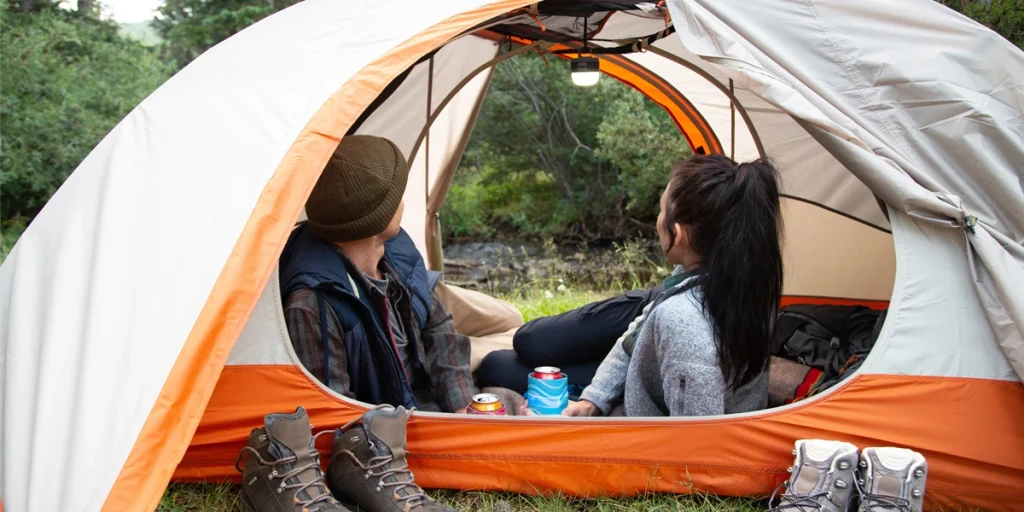
One underrated part of the dos and don’ts for camping beginners is wearing the right shoes. I once wore old sneakers that didn’t offer any support, and by the end of a short hike, I was limping. Now I have sturdy hiking boots that protect my feet and prevent injury. Whether you’re on a trail or walking around camp, good footwear makes a huge difference in your overall comfort.
Stay Flexible and Have Fun
Finally, the biggest lesson I’ve learned is that things won’t always go as planned—and that’s okay. Whether it’s unexpected weather, a forgotten item, or a missed turn on the trail, staying calm and flexible is key. Some of my best memories come from moments that didn’t go perfectly, but taught me something valuable. Camping is as much about the experience as it is about the destination.
Conclusion
Starting out as a camper can feel overwhelming, but the journey is incredibly rewarding. The dos and don’ts for camping beginners are there to guide you, not to overwhelm you. Every trip adds to your knowledge, builds your confidence, and strengthens your connection to nature. Take it slow, learn as you go, and don’t be afraid to ask fellow campers for advice.
Camping has become one of the most enriching parts of my life. It started with one clumsy night in a too-small tent, but it’s turned into a lifelong passion. If you keep these dos and don’ts for camping beginners in mind, your first trip can be the start of something amazing.