When I was planning my first camping trip, I had no idea what I was getting myself into. I thought it would be as easy as throwing a sleeping bag in the car and driving into the woods. I quickly learned there’s a lot more to consider. If you’re just getting started, you’re probably asking the same questions I did. What should I pack? Will I be safe? What if I forget something important? That’s why I want to share what to know about your first camping adventure—so you feel confident before you even leave your driveway.
Getting Comfortable with the Idea of Camping
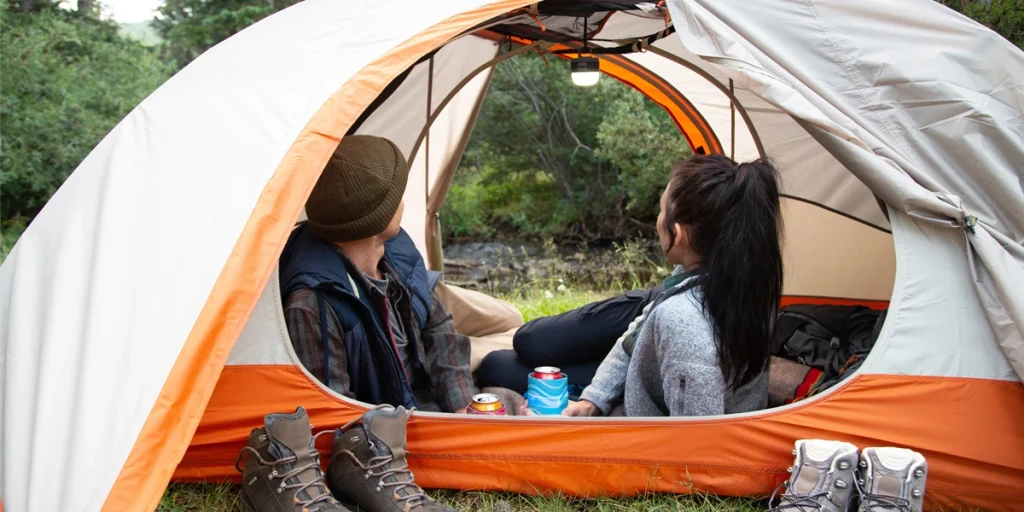
It’s perfectly normal to feel nervous before heading into nature, especially if you’ve never done it before. When I first went camping, I was excited but also uneasy. The idea of sleeping outdoors and being away from the comforts of home was intimidating. But after that first trip, I realized how freeing and rewarding it could be.
The most important part of preparing for your first outing is understanding what kind of experience you want. Some people like the challenge of hiking into remote areas and setting up camp off the grid. Others (like me when I was starting out) prefer more accessible sites with bathrooms, potable water, and even cell service. Choose a style of camping that matches your comfort level.
Picking the Right Campsite
One of the key things to know about your first camping adventure is how much the location matters. Not all campsites are created equal. I used a few popular camping apps to browse nearby locations and read reviews. For beginners, I recommend choosing a well-maintained public campground or state park. These places are usually safe, monitored, and have plenty of resources to help you get started.
When selecting a site, consider things like proximity to water, availability of shade, and how much space you’ll have. Some campgrounds even offer online maps and photos, which makes planning easier. Try to book a spot in advance, especially during the summer or holiday weekends when sites fill up fast.
Learn to Set Up Your Tent Before You Arrive
I made the rookie mistake of trying to figure out how to pitch my tent once I got to the campground. Spoiler alert: it didn’t go well. Now I always practice setting up my gear at home. It’s way easier to learn how things work in your backyard than when you’re racing daylight at a campsite.
Take the time to unfold your tent, learn where each pole goes, and stake it down properly. It’ll save you stress, especially if the weather turns. While you’re at it, test your sleeping bag and air mattress. You’ll want to know everything works before you’re miles from the nearest store.
Keep Your Packing List Simple and Practical
Another lesson I learned early on is that overpacking can be just as problematic as underpacking. I once brought so much stuff that I couldn’t find half of it when I needed it. What to know about your first camping adventure includes understanding which gear is essential and which can stay home.
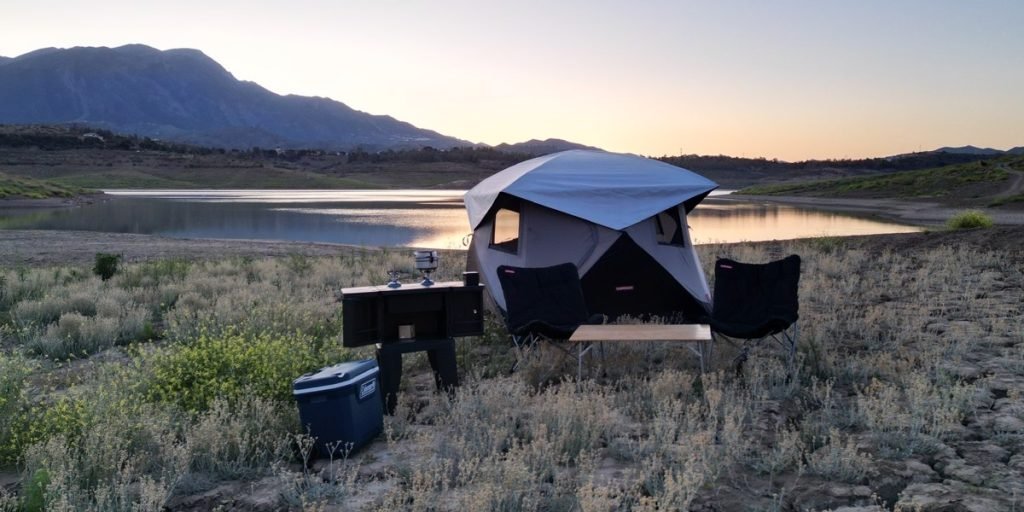
Start with the basics: tent, sleeping gear, weather-appropriate clothes, a flashlight or headlamp, food, and a way to cook it. Don’t forget a first aid kit, extra water, and basic toiletries. If your site doesn’t have clean water access, bring enough for drinking, cooking, and cleaning. I also recommend a camping chair—it may sound like a luxury, but after a day outdoors, you’ll be grateful to sit comfortably by the fire.
Plan Your Meals Ahead of Time
It’s easy to underestimate how hungry you’ll be while camping. I learned that the hard way during a trip where I brought only granola bars and peanut butter. Ever since then, I’ve always prepped simple, filling meals that are easy to cook over a fire or with a portable stove.
Think about foods that travel well and require minimal cleanup. Sandwiches, foil-wrapped veggies, canned soups, and pasta are great options. And don’t forget snacks—nuts, fruit, and jerky are lightweight and satisfying. Even if you’re not much of a cook, you can still eat well outdoors with just a little planning.
Understand Safety and Wildlife Awareness
One aspect of camping that caught me off guard was how careful you need to be about safety. I’m not just talking about first aid (though that’s crucial), but also how to store your food, stay warm, and avoid wildlife encounters.
What to know about your first camping adventure includes learning how to protect your food from animals. Never leave food out in the open. Use sealed containers or bear-proof lockers if available. At night, keep food away from your tent. Animals have an amazing sense of smell and will investigate if they think there’s something edible nearby.
Also, be weather-aware. Bring layers, check the forecast, and pack rain gear just in case. Getting wet and cold at night can quickly ruin your trip—and it’s potentially dangerous if you’re far from help.
Embrace Simplicity and Unplug
One of the biggest surprises of my first camping experience was how much I enjoyed being disconnected. At first, I was uneasy without my phone constantly buzzing, but then I started to appreciate the peace. I listened to birds, watched the sunrise, and even found joy in making coffee over a fire.
Camping strips away the noise of daily life. It gives you time to reflect, explore, and be present. Once I leaned into that simplicity, I started craving it. Now, even when I camp somewhere with cell service, I turn off my notifications. I’ve come to realize how rare those moments of quiet really are.
Make a Checklist and Don’t Forget the Little Things
Before I leave for any trip now, I run through a checklist. It includes small but crucial items like sunscreen, bug spray, matches or a lighter, duct tape, and an extra power bank. I learned the hard way that forgetting even one of those things can lead to serious inconvenience.
Also, don’t forget entertainment. Bring a book, a journal, or games if you’re going with others. Some of my favorite camping memories involve stories around the campfire or quiet evenings scribbling in a notebook. It’s not just about surviving the night—it’s about enjoying your time outside.
Leave No Trace and Respect Nature
Your first camping trip should also be a lesson in stewardship. What to know about your first camping adventure includes understanding your role in preserving the natural world. Always clean up after yourself. Pack out all trash, including food scraps and biodegradable items. Follow posted rules about fires, and never take anything from nature as a souvenir.
Treat nature with respect, and it will reward you with beauty and peace. I try to leave every campsite cleaner than I found it. It’s a small gesture, but it helps keep these special places open for others to enjoy.
Conclusion
Every camping trip teaches you something new. As someone who started out with zero experience, I can tell you that your first trip will be full of learning moments—but that’s part of the adventure. You’ll forget things, make mistakes, and maybe even get a little lost, but you’ll come back with stories, new skills, and a deeper connection to nature.
So if you’re wondering what to know about your first camping adventure, the most important thing is just to go. Get out there. Start small, prepare wisely, and embrace the unknown. With a bit of planning and an open mind, you’re sure to create memories that will last a lifetime.