Camping in summer brings out something wild and freeing in me, but there’s no denying that high temperatures come with their own challenges. Knowing how to camp in hot weather isn’t just a nice skill—it’s essential if you want to stay safe and make the most of your time outdoors. Through my own trial and error, I’ve discovered strategies that help me stay cool, conserve energy, and actually enjoy the heat rather than just suffer through it.
Whether you’re setting up in the desert, a humid forest, or even a sun-drenched beach, this guide is packed with personal insights that’ll help you thrive when the mercury climbs.
Picking the Best Location for Summer Camping
Shade is More Important Than the View
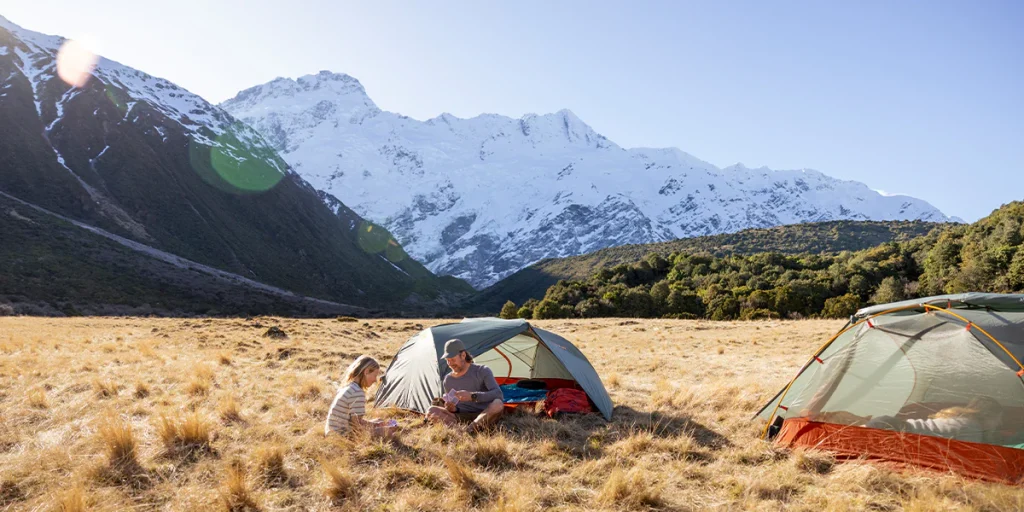
When I plan a hot-weather camping trip, the first thing I consider is where the shade will be during peak sun hours. I’ve made the mistake of choosing wide-open spots with postcard-perfect views, only to bake inside my tent by noon. Now, I deliberately seek out areas where trees or rock formations offer consistent shade throughout the day.
Even better, if the campsite has east-facing coverage, I can enjoy cooler mornings and avoid the harsh afternoon sun. I also pay attention to how breezes move through the terrain—slight elevation can make a surprising difference in temperature and airflow.
Avoid Valleys and Enclosed Spaces
It might seem like a good idea to shelter in low ground to avoid wind, but I’ve found that valleys tend to trap heat, especially in areas with little ventilation. I look for spots where heat can rise and escape, and I avoid camping right next to large bodies of still water unless there’s a good breeze, as the humidity can get intense fast.
Essential Gear for Hot Weather Comfort
Choose the Right Tent for Airflow
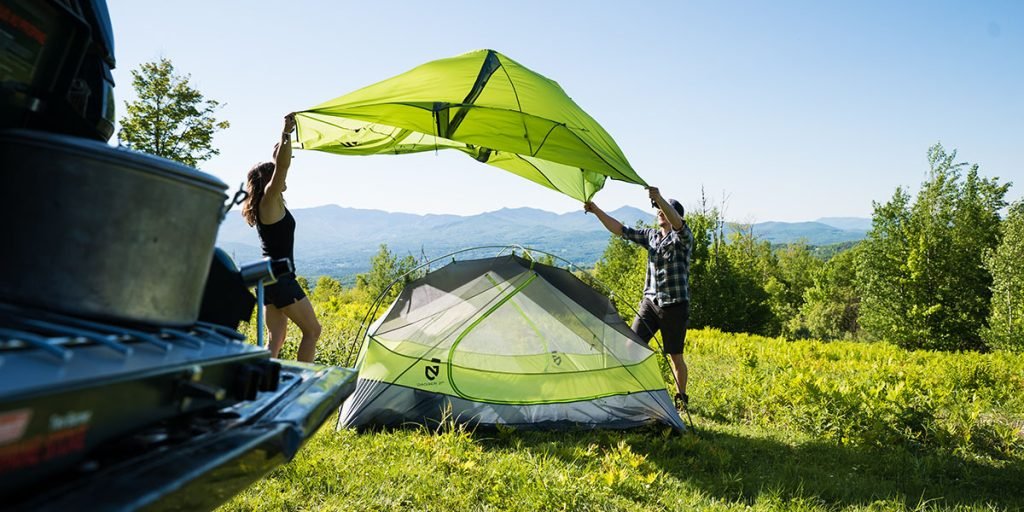
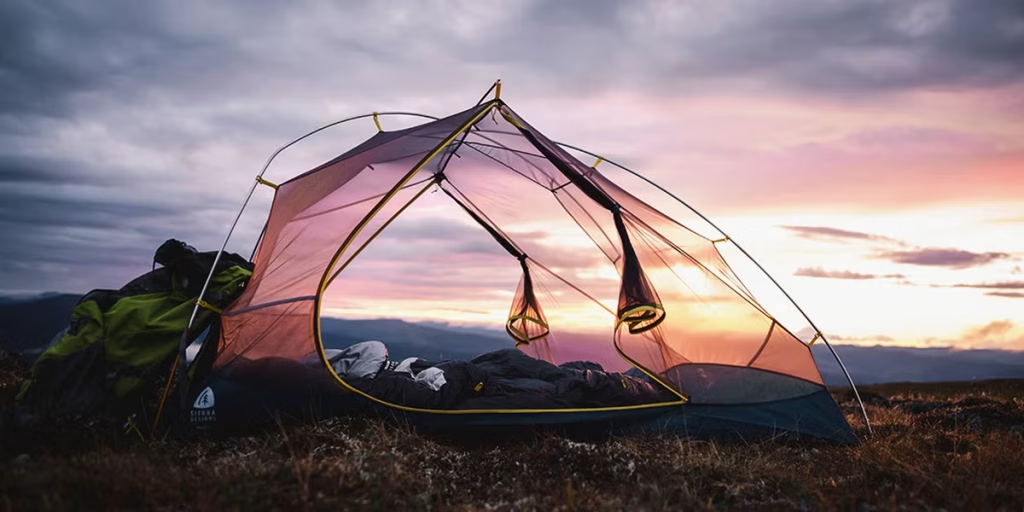
One of the biggest adjustments I made once I learned how to camp in hot weather was upgrading my tent. I now use a tent with full mesh sides and ceiling, allowing cross-breezes to flow freely. I leave the rainfly off unless there’s a chance of rain, and I stake the tent so that it’s taut—flapping fabric can block airflow and create hotspots inside.
Some friends of mine even go with hammock tents in the summer, which I’ve tried a few times when bugs weren’t an issue. Being suspended in the air can help your body stay much cooler at night.
Dress Smart and Pack Light
I’ve found that loose, moisture-wicking clothing is a non-negotiable part of camping in the heat. I usually wear a long-sleeve, breathable shirt and lightweight pants to protect from sunburn and insects. Hats with wide brims help keep my head shaded, and I always carry a buff or bandana that I can wet and wear around my neck.
I skip dark colors entirely—light fabrics reflect sunlight and keep me noticeably cooler during the hottest hours of the day.
Cool Sleep Systems and Portable Fans
Instead of a traditional sleeping bag, I often use a lightweight sleeping quilt or even just a soft travel sheet. I carry a compact, battery-powered fan that I hang from the top of the tent at night. On particularly hot nights, I also keep a damp towel near my feet or forehead. Little tricks like these can make sleeping in a hot tent feel manageable—even restful.
Staying Hydrated and Fueled in the Heat
Hydration is an Ongoing Task
One of the biggest mistakes I made on early summer trips was underestimating how much water I needed. Now, I drink continuously throughout the day. I use a hydration pack with a long hose so I can sip on the move, and I also keep electrolyte drink mixes handy to replenish minerals lost to sweat.
I’ve also learned to start drinking before I feel thirsty, and I keep a spare water jug in the shade to stay cool for cooking or washing up.
Keep Meals Simple and Light
Cooking over an open flame in the midday heat can feel unbearable. To avoid that, I prep cool meals ahead of time—pasta salads, wraps, fruit, and chilled snacks. I eat lighter overall in the heat and focus on hydration-rich foods like cucumbers, watermelon, and oranges.
If I need to cook something hot, I do it during the early morning or late evening hours when the temperatures are more manageable.
Timing Activities Wisely
Rearranging the Daily Schedule
Figuring out how to camp in hot weather taught me that sticking to a traditional schedule just doesn’t work. Now, I get up with the sun and take advantage of the cooler morning hours for physical activities like hiking, setting up camp, or collecting firewood.
During the peak heat, typically from 12 to 4 PM, I take it easy—napping in the shade, reading, or exploring slowly. As the evening cools, I get active again, cooking dinner or going for a sunset walk.
Embrace Slow Mornings and Long Evenings
Summer daylight is generous, so there’s no rush. I’ve learned to enjoy the slower pace, savoring morning coffee while the world wakes up around me and soaking in golden hour light after a long day. Camping in hot weather isn’t just about coping—it’s about shifting your rhythm to match nature’s.
Cooling Techniques That Really Work
Create Shade with Tarps and Reflective Material
When natural shade is lacking, I make my own. I carry a large tarp and reflective space blankets in my kit. By suspending them with paracord and poles, I can create an airy shelter over my tent or sitting area. This drops the temperature dramatically underneath and gives me a cool retreat during the hottest times of the day.
Use Water Creatively
If I’m camping near a river, creek, or lake, I take full advantage. I’ll dip my feet, splash water on my arms and face, or even take a full plunge to cool off. If there’s no water nearby, I fill a spray bottle with cool water and mist myself every so often. It might sound simple, but it works.
Cooling towels and neck wraps that stay cold for long periods after soaking are also part of my go-to gear list. I’ll rotate a few through a cooler so I always have one ready.
Battery Fans and Ventilation Strategies
In addition to hanging fans inside the tent, I also position them in communal areas to keep air circulating. When the breeze dies down, these little fans become my favorite piece of gear. I even sleep with one pointed toward my face on windless nights.
Safe Camping Practices in the Heat
Watch for Heat-Related Illnesses
It’s vital to know the early signs of heat exhaustion. If I start feeling dizzy, get a headache, or notice muscle cramps, I stop what I’m doing, hydrate, and rest in the shade. If symptoms worsen, I know it’s time to cool my body aggressively—cold cloths, ice packs, or immersion in water if available.
Prevention is always better, so I pace myself and check on my camping buddies often.
Don’t Skimp on Sun Protection
In hot weather, I reapply sunscreen every couple of hours—especially after swimming or sweating heavily. I also bring along lip balm with SPF and always wear my hat and sunglasses. Sunburn can sneak up on you even in the shade, and once you’re burned, everything becomes more uncomfortable.
Final Thoughts
Over time, I’ve learned that figuring out how to camp in hot weather isn’t just about tolerating discomfort—it’s about learning to live differently for a few days. It’s about becoming in tune with your environment, adjusting your routine, and using smart tactics to stay comfortable.
With thoughtful planning and a few tricks I’ve picked up along the way, summer camping has become one of my favorite ways to spend time outdoors. Whether it’s the long golden evenings, the quiet heat of a midday siesta, or the thrill of a moonlit dip, there’s something unforgettable about hot weather camping—when you’re prepared for it.