Camping is an incredible way to experience nature, get away from the daily grind, and enjoy some fresh air. However, when you’re camping in colder weather, one of the biggest challenges is staying warm at night. If you’re not prepared, a cold night in a tent can quickly turn an enjoyable trip into a miserable experience. Through trial and error, I’ve learned how to stay warm camping in a tent, and I’m happy to share the best tips and tricks to make your camping experience more comfortable, no matter the temperature.
Proper Tent Selection and Setup
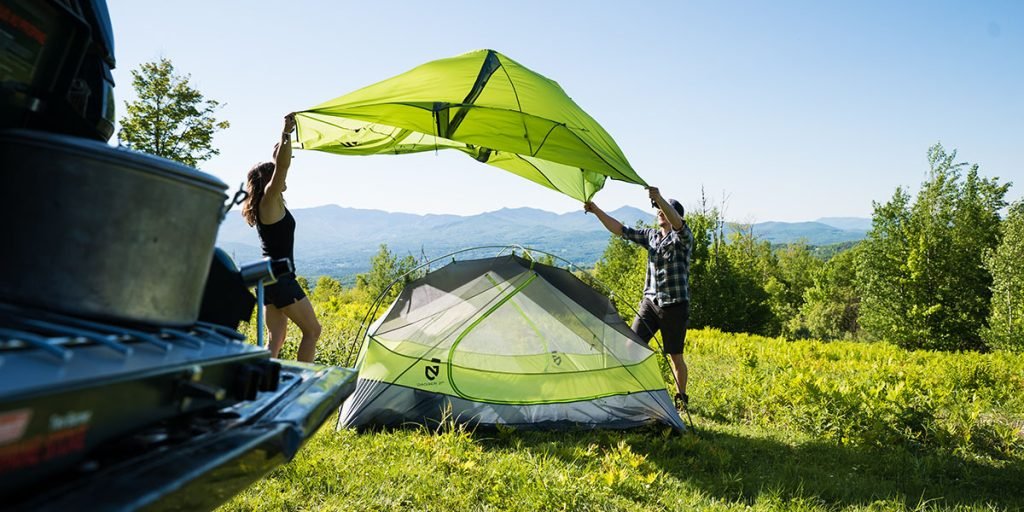
Before we dive into clothing, sleeping gear, and other factors, let’s start with the basics. Your tent is your first line of defense against the cold, and it’s essential to make the right choices. A poorly chosen tent, or a poorly pitched one, can leave you shivering all night.
Choose a Four-Season Tent for Cold Weather
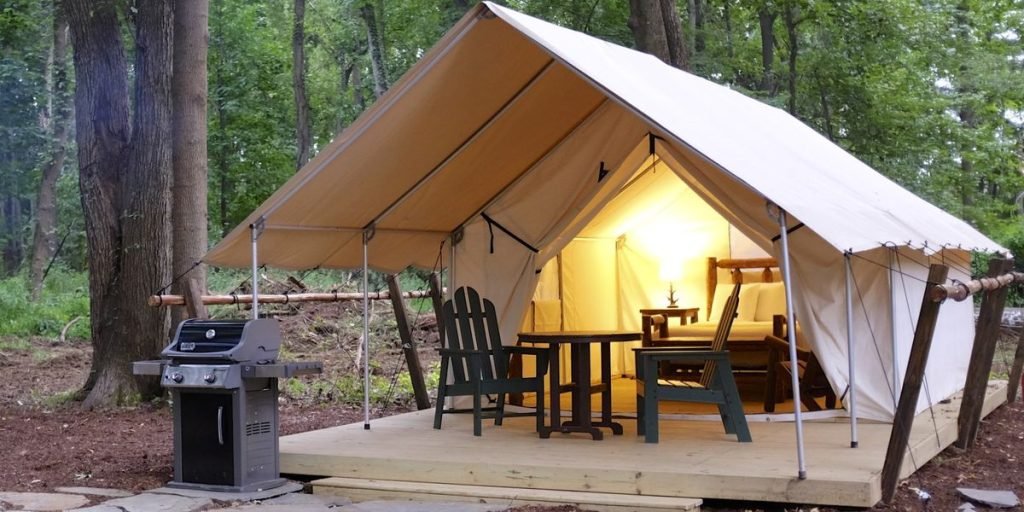
When you’re planning to camp in colder temperatures, the tent you choose plays a crucial role in how warm you will be inside. Although three-season tents are adequate for spring, summer, and early fall, they may not provide enough protection against winter weather. Four-season tents, on the other hand, are designed specifically to withstand harsher conditions, including snow and cold winds. These tents often come with thicker materials, better insulation, and enhanced structural features to keep you protected from the elements.
Pick a Good Campsite
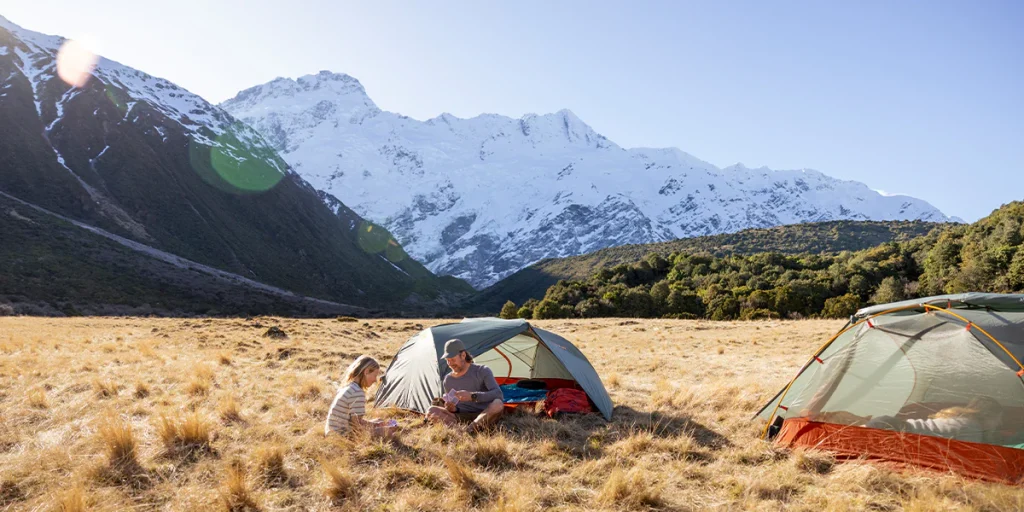
The location of your tent is just as important as the tent itself. Setting up camp in the wrong spot can result in cold drafts that will make the night miserable. To stay warm camping in a tent, always try to pitch your tent on higher ground. Cold air tends to settle in low areas, so avoid placing your tent in depressions or valleys. Additionally, a sheltered spot can protect you from wind, which can chill the tent even more. Look for natural windbreaks, like large rocks, bushes, or trees, to help block the cold wind. This will make a noticeable difference when you’re trying to stay warm.
Insulate Your Tent Properly
Once you’ve chosen the right tent and location, it’s time to focus on insulation. Cold air can seep in through the floor and walls of the tent, so you must take steps to block this from happening.
Use Insulated Sleeping Pads
One of the most effective ways to stay warm camping in a tent is by using a quality sleeping pad. The ground can absorb a significant amount of heat from your body, especially in cold conditions. An insulated sleeping pad acts as a barrier, preventing the cold from leaching up into your sleeping bag. I’ve found that air-filled sleeping pads or foam pads with built-in insulation are the best options for colder weather. Look for sleeping pads with higher R-values, as these indicate better insulation.
Layer Your Bedding for Extra Warmth
While sleeping pads are essential, your bedding also plays a huge role in how warm you feel inside the tent. If you’re planning on camping in the winter or other cold conditions, it’s best to invest in a sleeping bag rated for temperatures lower than the ones you expect. In addition to your sleeping bag, I recommend layering a blanket or sleeping bag liner inside for extra insulation. A fleece liner, for example, adds warmth and is compact enough to carry along without taking up too much space.
Dressing for the Cold
Even with the right tent, sleeping gear, and bedding, your clothing plays a significant role in keeping you warm. Dressing in layers is the best strategy to help retain body heat while camping.
Layer Your Clothing to Trap Heat
When it comes to staying warm, layering is key. Start with a moisture-wicking base layer, which will help pull sweat away from your skin. This is important because once your clothes get wet, they can make you feel much colder. On top of the base layer, wear an insulating layer, like a fleece jacket or down vest. These materials help trap warmth close to your body. Finally, add an outer layer that is both waterproof and windproof to protect you from the elements. I also recommend bringing extra socks and gloves, as extremities can lose heat rapidly. Wool socks, in particular, are excellent at retaining warmth even when damp.
Avoid Cotton
One mistake I made when I first started camping was wearing cotton clothes. While cotton is breathable and comfortable in warmer weather, it’s not ideal for cold conditions. Cotton retains moisture, and once it gets wet, it loses its insulating properties. Instead, I’ve switched to materials like wool, fleece, and synthetic fabrics, which dry faster and continue to insulate even when damp.
Creating Heat Inside the Tent
While your tent setup, sleeping arrangements, and clothing are all essential to staying warm, there are other methods you can use to generate extra warmth inside your tent.
Use a Tent Heater
For extra warmth, some campers rely on portable propane or butane heaters. These small heaters can be a lifesaver when the temperature drops too low. If you’re thinking about using a heater, be sure to select one that’s designed for camping, as these are built with safety features to prevent carbon monoxide buildup. It’s essential to never leave a heater running while you’re asleep or when the tent is closed off completely. Always follow the manufacturer’s instructions, and make sure you’re camping in a well-ventilated area to avoid any safety risks.
Hot Water Bottles for Bedtime Warmth
One of my personal favorite ways to keep warm at night is by using a hot water bottle. Before bed, I’ll fill up a bottle with hot water and place it inside my sleeping bag. It acts like a warm companion, helping me feel cozy as I drift off to sleep. It’s also a great way to warm up your sleeping bag quickly if the tent is cold when you first climb in. The warmth of the bottle will last for several hours, and by the time it cools down, you’ll be asleep and won’t notice the temperature drop.
Hand Warmers and Foot Warmers
Hand warmers and foot warmers are small, portable packets that generate heat when activated. I always carry a few in my camping gear bag, as they’re handy when the temperature drops unexpectedly. I place them inside my gloves or socks for extra warmth, especially if my extremities start to feel cold in the middle of the night. These small packs don’t take up much room, but they provide reliable heat when you need it most.
Conclusion
Staying warm camping in a tent can be challenging, but with the right preparation and gear, it’s entirely possible to enjoy your camping trip even in colder conditions. Start with a good tent and pitch it in the right location to protect yourself from the wind. Then, insulate your tent using sleeping pads and layered bedding to prevent heat loss. Finally, dress in layers and use hand warmers, sleeping bag liners, and heaters to stay cozy throughout the night. With these tips, you’ll be ready to stay warm camping in a tent and fully enjoy your outdoor adventure, no matter what the weather brings.