Summer camping offers the perfect opportunity to enjoy the great outdoors, relax, and escape the hustle and bustle of daily life. The beauty of nature is a major draw, but to truly experience camping in its best form, knowing what to wear in summer camping is key. The right clothing can keep you comfortable, protected from the elements, and ready for adventure.
I’ve had my fair share of summer camping trips, and over the years, I’ve learned what works and what doesn’t when it comes to summer camping attire. Whether you’re hiking, fishing, lounging by the fire, or exploring the wilderness, your clothing can make or break the experience. This guide shares my personal tips and the essential items I always pack when I’m headed for a summer camping trip.
Understanding the Essentials: What to Wear in Summer Camping
Layering for Temperature Control
When it comes to figuring out what to wear in summer camping, the first thing to consider is the concept of layering. Even though the days may be hot, the temperatures can drop in the early morning or evening, especially if you’re camping in the mountains or near water. Layering your clothing is a great way to stay prepared for fluctuations in temperature.
I always begin with a moisture-wicking base layer. Fabrics like merino wool or synthetic materials (like polyester or nylon) are perfect because they draw moisture away from your skin, keeping you dry even on the hottest days. The base layer is crucial for regulating body temperature and preventing discomfort caused by sweat.
Next, I add a lightweight shirt or long-sleeve shirt on top of my base layer. A long-sleeve shirt helps protect your arms from the sun while also allowing you to stay cool in the heat. I often choose lightweight fabrics that allow my skin to breathe and prevent overheating. It’s important to pick fabrics that allow air circulation but also offer sun protection—something I consider when deciding what to wear in summer camping.
Comfortable Bottoms for All-Day Activities
Another essential item to think about when considering what to wear in summer camping is the type of pants or shorts you’ll pack. I always opt for versatile options that can be adapted to different activities. For hiking or trekking, lightweight, moisture-wicking pants are the best choice. These pants dry quickly if they get wet from sweat or rain, and they often come with zippers so you can convert them into shorts on especially hot days. The quick-drying feature is especially important if you’re caught in a sudden downpour.
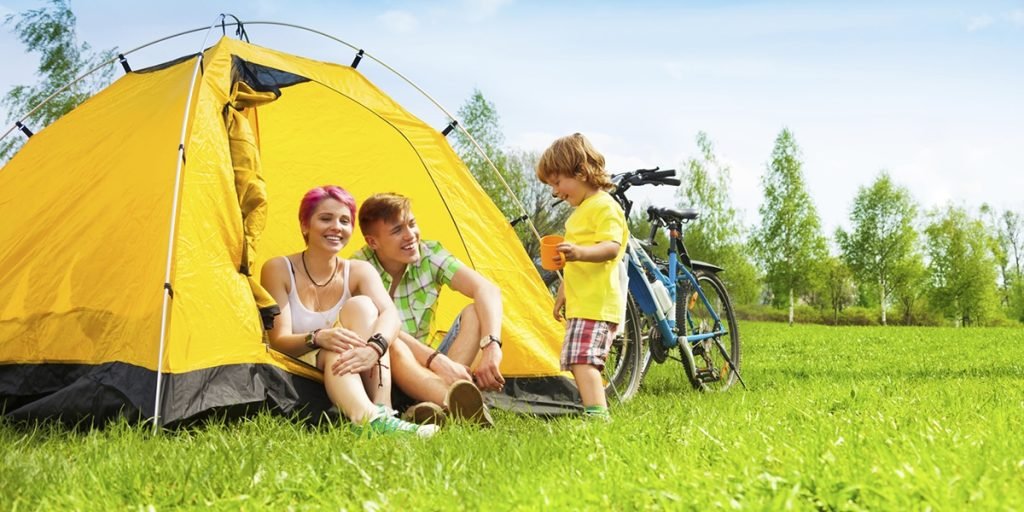
If you plan to spend a lot of time by the campsite, I prefer wearing lightweight shorts or capris. These are ideal for lounging around and relaxing by the fire. However, I always keep in mind that if I’m exploring the woods or walking on rough terrain, I want protection from branches, rocks, or insects, so long pants are my go-to. Always consider the environment you’ll be in and the activities you have planned when determining what to wear in summer camping.
Footwear: The Key to Comfort and Safety
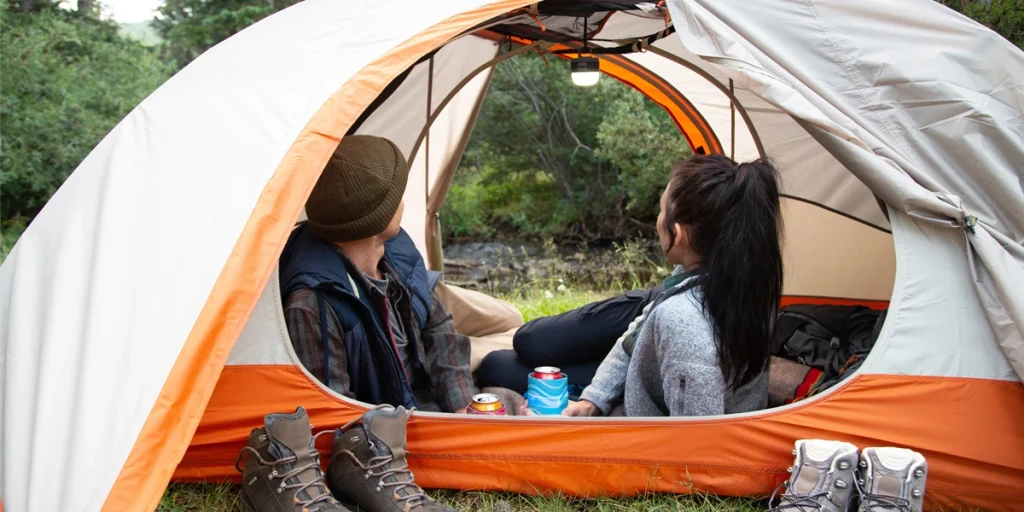
One of the most important aspects of what to wear in summer camping is choosing the right footwear. Footwear can make all the difference between a fun camping experience and an uncomfortable one. If you plan on hiking or walking on uneven trails, sturdy yet comfortable hiking boots or shoes are essential. They should provide both support and breathability, so your feet don’t overheat. I always look for boots with moisture-wicking liners and breathable mesh that helps keep my feet dry while offering solid grip on slippery surfaces.
For those days when I’m just relaxing around the campsite or taking short walks to the lake, a pair of comfortable sandals or water shoes are perfect. They are lightweight, easy to slip on and off, and allow your feet to cool off after a long day of hiking. However, it’s important to choose sandals that are designed for outdoor use, with durable soles that provide some traction.
No matter what type of shoes you decide on, one crucial factor I never overlook is socks. I always go for moisture-wicking, breathable socks, preferably made from merino wool or synthetic blends. Cotton socks can become damp and heavy, which leads to blisters, so I avoid them. A good pair of socks will help prevent discomfort and blisters, especially if you’re walking or hiking for long hours.
Protecting Your Skin and Eyes
When figuring out what to wear in summer camping, protecting your skin from the sun is at the top of the list. Prolonged exposure to the sun can lead to sunburns and skin damage, which is why I always pack items that provide sun protection.
Hats and Sunglasses
A wide-brimmed hat is a must when I head out into the summer sun. It provides shade for your face, neck, and ears, which are areas that are often overlooked when applying sunscreen. A hat also helps to keep your head cool and protect your scalp from burning. I prefer hats made from breathable materials like cotton or lightweight synthetics that allow air circulation.
Sunglasses are another essential accessory that I never forget to pack. The sun’s rays can be especially harsh when reflected off water or light-colored surfaces. Polarized sunglasses not only reduce glare but also provide UV protection, helping to keep your eyes safe while maintaining clear vision.
Sunscreen and Lip Protection
Even if I’m wearing a hat and sunglasses, sunscreen is non-negotiable. I always apply a high-SPF sunscreen before leaving my campsite in the morning, and I make sure to reapply it throughout the day. Lip balm with SPF is also essential, as the lips are highly sensitive to the sun’s rays.
Extra Considerations: Other Accessories for Summer Camping
Insect Protection
Camping in the summer often means dealing with bugs and insects. While you can always rely on bug spray to keep pests at bay, I also like to wear clothing treated with insect-repellent fabrics. These items help create an additional barrier against mosquitoes and ticks, especially in areas with dense vegetation.
Long-sleeve shirts, pants, and socks treated with insect-repellent chemicals can help minimize your chances of getting bitten, especially during dawn and dusk when insects are most active. I find this especially helpful when hiking through wooded areas or camping near water sources where mosquitoes tend to thrive.
A Light Jacket for Chilly Evenings
One thing I’ve learned about summer camping is that the evenings can be surprisingly cool, especially in mountainous areas. A light jacket or windbreaker is the perfect piece to bring along. I prefer jackets that pack down small and are easy to store in my backpack when not in use. A breathable, water-resistant jacket is a great option to keep me warm during chilly nights without overheating.
Final Thoughts
When it comes to what to wear in summer camping, my advice is to focus on layers, comfort, and protection. Summer camping can be an incredible experience when you’re prepared with the right clothing and accessories. Be mindful of the activities you’ll be doing, the weather, and the terrain to ensure you’re dressed for success. Whether you’re hiking through the woods, lounging by the fire, or exploring the great outdoors, wearing the right clothes will help you enjoy every moment of your trip.
By choosing breathable, moisture-wicking fabrics, protective accessories, and comfortable footwear, you’ll be ready for anything the wilderness throws your way. So, the next time you head out for a summer camping trip, you’ll know exactly what to wear in summer camping to stay comfortable and protected all season long.